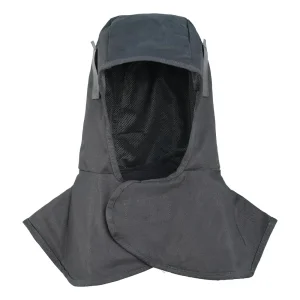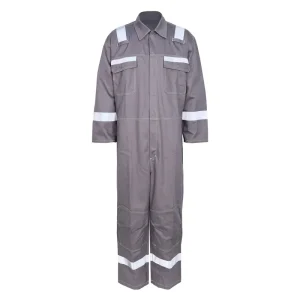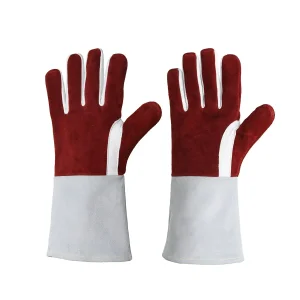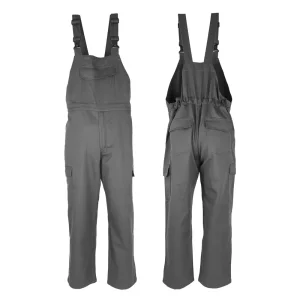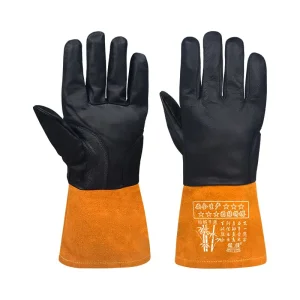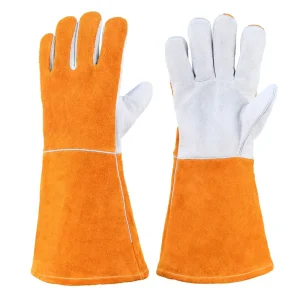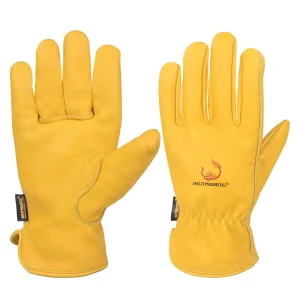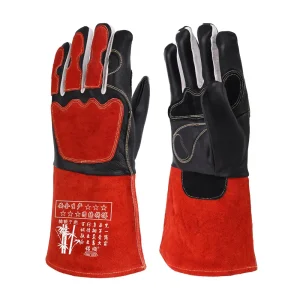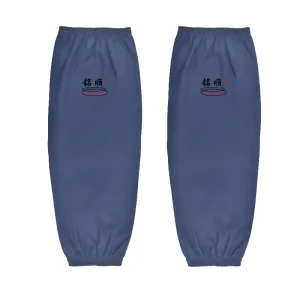
Heavy-duty leather accessories, ergonomic protective spats, and certified split cowhide weldwear engineered for severe spatter environments.
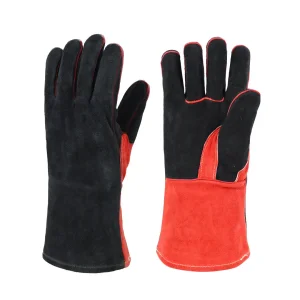
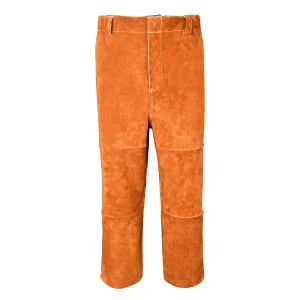
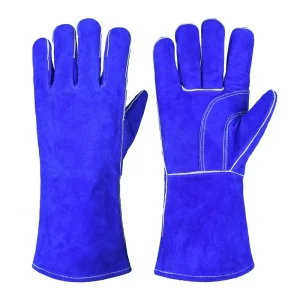
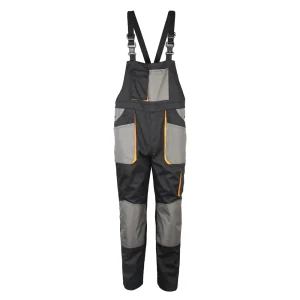
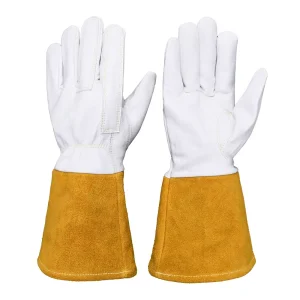
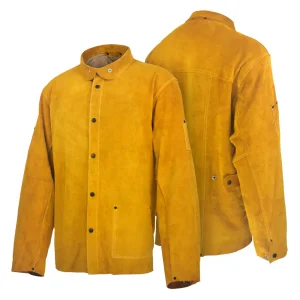
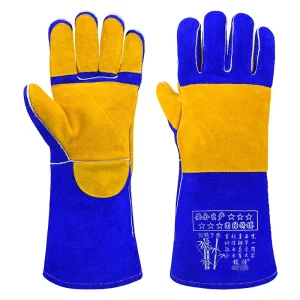
Welding personal protective equipment (PPE) has moved beyond basic spatter protection into high-performance material science. Today's industrial fabricators demand flame-resistant (FR) clothing that combines multi-hazard thermal shielding, ergonomic flexibility, and verifiable regulatory compliance.
In modern industrial fabrication yards, structural steel projects, offshore energy platforms, and automotive assembly lines, flame-resistant (FR) protective garments are the final barrier preventing life-threatening thermal burns, arc flashes, and molten slag penetration. As an established OEM manufacturing authority, our facilities integrate spinning, weaving, chemical flame retardant finishing, precision laser cutting, and Kevlar® structural sewing. This integrated production chain ensures that every custom jacket, coverall, and protective sleeve meets international standards, including EN ISO 11611 (Class 1 & Class 2), NFPA 2112, ASTM F1506, and OSHA 1910.269.
How macro-industrial investments and environmental, health, and safety (EHS) mandates are reshaping tier-1 supply chains.
Traditional heavy cowhide full-body suits often cause worker fatigue and heat stress during extended shifts. Modern enterprises increasingly specify hybrid architectures: breathable 9 oz or 11 oz treated FR cotton across body torsos, reinforced with split leather on the forearms, shoulders, and chest zones exposed to direct slag splatter.
Global welding operators regularly perform hot-work adjacent to electrical transformers, chemical pipelines, and low-light traffic zones. Procurement mandates now demand composite compliance: flame resistance, electrostatic dissipation (EN 1149-5), arc thermal protection (NFPA 70E Arc Flash PPE Category 2), and high-visibility retroreflective striping.
Industrial laundry facilities subject workwear to aggressive washing cycles. Tier-1 buyers require guaranteed flame protection that maintains structural stability for over 50 to 100 domestic or industrial washes. Modern standards also mandate non-toxic, OEKO-TEX® Standard 100 certified finishes free from banned brominated flame retardants.
Comprehensive metallurgical and textile selection parameters for specialized industrial applications.
| Target Sector | Predominant Hazard Matrix | Recommended Fabric / Hide Architecture | International Standard Certification |
|---|---|---|---|
| Shipbuilding & Marine Drydocks | Enclosed space sparks, high-amperage stick spatter, heavy abrasive steel plates | 1.2–1.4mm Heavy Split Cowhide combined with 10.5 oz Sateen FR Cotton Linings | EN ISO 11611 Class 2, EN 388 (4244X), CE Category III |
| Oil, Gas & Cross-Country Pipelines | Radiant heat, flash fire potential, volatile hydrocarbon vapors, rough terrain | Inherent Aramid (Nomex®/Kevlar® blends) or 9 oz Proban-Treated FR Cotton + Leather Spats | NFPA 2112, NFPA 70E (CAT 2), EN ISO 11612 (A1+A2, B1, C1), ISO 11611 |
| Precision Automotive & Motorsports | Fine TIG arc radiation, delicate dexterity constraints, micro-slag handling | Supple Top-Grain Goatskin, Extended Split Cuffs, Lightweight 7 oz Inherent FR Sleeves | EN 12477 Type B, EN 407 (412X4X), ANSI/ISEA 105 A2 Cut |
| Heavy Structural Engineering | Overhead MIG welding, molten metal pools, thermal conduction, edge slicing | Full Grain Cowhide Welding Overalls, Kevlar®-reinforced double palms, FR bibs | EN ISO 11611 Class 2 (A1+A2), ASTM F1060 Surface Contact Heat Level 3 |
Eliminate customs rejection and regulatory non-compliance with fully audited test dossiers and localized standard verification.
Full technical documentation support for Regulation (EU) 2016/425 Category III PPE. We provide complete Module B (EU Type-Examination) and Module D (Production Quality Assurance) certificate packages issued by accredited European Notified Bodies (SATRA, Shirley, Centexbel).
Certified lot testing under ASTM F1959 (Arc Rating / ATPV), ASTM F1506, NFPA 2112 vertical flame propagation tests, and ANSI/ISEA 105 mechanical ratings. Complete batch inspection reports verify after-flame times below 2 seconds and zero melt or drip phenomena.
Our manufacturing compound operates under SMETA, Sedex, and ISO 14001 environmental frameworks. We guarantee transparent supply chains with clean chemical management, fair worker compensation, and zero child or forced labor throughout all leather processing and textile weaving lines.
Our four-phase R&D engineering plan for next-generation protective weldwear through 2030.
Transitioning leather processing to vegetable and synthetic aldehyde eco-tanning to eliminate hexavalent chromium (Cr VI) generation, exceeding REACH chemical safety thresholds.
Integrating micro-encapsulated Phase Change Materials (PCM) inside inner jacket and hood liners to dynamically absorb, store, and release heat, keeping core body temperatures balanced.
Introducing ultra-lightweight basalt and carbon nanotube reinforced woven textiles, delivering Class 2 spatter resistance at 40% less weight than traditional split hide jackets.
Embedding smart telemetry threads and RFID lifespan trackers into safety suits to alert technicians to prolonged toxic gas concentrations, excessive heat, and UV shield breakdown.
Detailed engineering and procurement answers for industrial safety managers, corporate procurement directors, and international distributors.
Treated FR Cotton (such as Proban® or Pyrovatex® chemically treated 100% cotton) relies on a flame-retardant polymer grafted inside the cotton fiber core. It provides cost-effective, breathable protection that remains effective for 50–100 industrial wash cycles. Inherent FR fabrics (such as Nomex®, Kevlar®, or Modacrylic blends) feature molecular chains that are naturally flame resistant without chemical treatments. Inherent fibers provide permanent protection regardless of laundering, higher tensile strength, and arc flash ratings, but come with higher raw material costs. For standard shop-floor MIG/SMAW welding, hybrid designs combining treated FR cotton and strategically placed split cowhide offer the most practical cost-to-protection balance.
EN ISO 11611 classifies protective clothing into two operational performance tiers based on radiant heat transmission and spatter droplet resistance. Class 1 protects against less hazardous welding techniques and situations that generate lower levels of spatter and radiant heat (such as TIG, micro-plasma, spot welding, and bench-top MIG). Class 2 protects against high-spatter, heavy-heat environments (such as MMA stick welding with basic or cellulose-covered electrodes, flux-cored arc welding, plasma gouging, oxygen cutting, and thermal spraying). Class 2 garments require heavier fabric construction, reinforced leather layering, and strict design constraints, such as flap-covered external pockets to prevent slag entrapment.
Ordinary nylon or polyester sewing threads melt at approximately 220°C to 260°C. In welding operations, hot slag beads routinely exceed 1000°C. If polyester thread is used, seam lines melt and separate upon contact with slag, exposing the operator even if the leather remains intact. DuPont™ Kevlar® aramid threads do not melt, have a decomposition threshold exceeding 450°C, and offer high cut and abrasion resistance. All Ming Shun structural weld seams are stitched with multi-ply Kevlar® threads and finished with reinforced bar-tacking at every critical load-bearing joint.
For custom private-label manufacturing (including client tech-pack patterns, Pantone-matched custom dyed leathers, silicone/woven labels, branded metal snap buttons, and barcode retail packaging), our standard MOQ is 500 units for protective jackets and coveralls, and 1,000 pairs for welding gloves. Standard proto-sampling turnaround is 7–10 working days upon receipt of technical specification sheets. Full container mass production lead time typically ranges between 35 and 45 days, supported by our 1,000+ employee capacity and direct in-house leather processing operations.
Because we operate vertically integrated leather sorting, splitting, tanning, and dyeing facilities under direct factory ownership, each hide batch undergoes rigorous batch-testing for pH value, tear strength, shrinkage temperature, and thickness tolerance (±0.1mm accuracy). Finished leather is certified by independent third-party laboratories (SGS and TÜV) to guarantee compliance with REACH Annex XVII regulations, confirming zero detectable azo dyes, pentachlorophenol (PCP), and ensuring Hexavalent Chromium (Cr VI) remains strictly below the 3.0 mg/kg limit.
Premium welding gloves, protective headwear, industrial bib overalls, and thermal gauntlets.