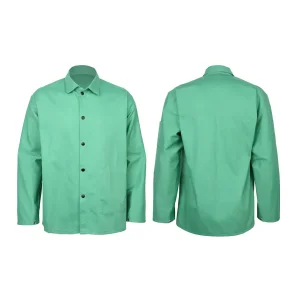
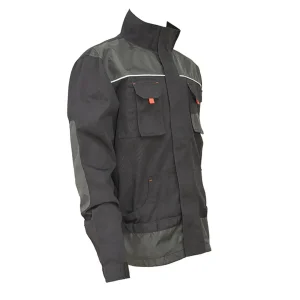
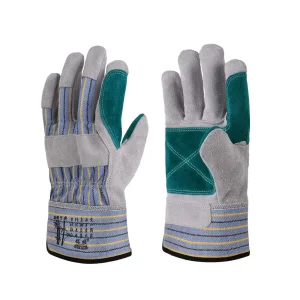
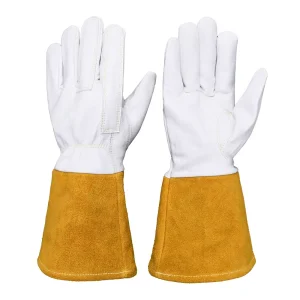
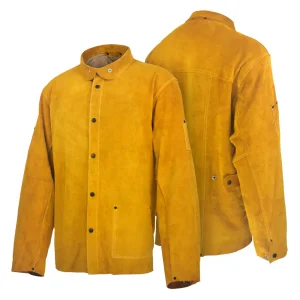
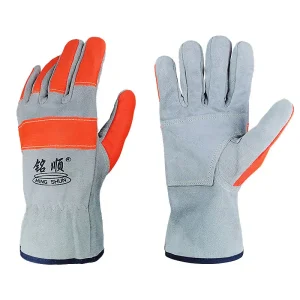
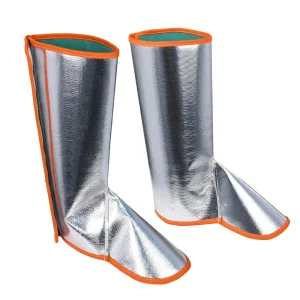
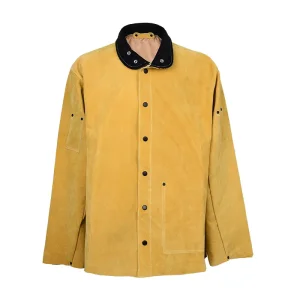
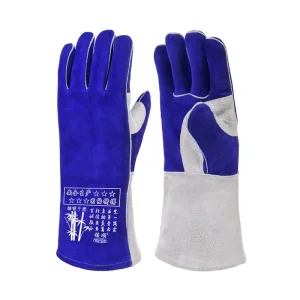
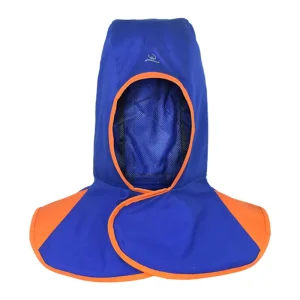
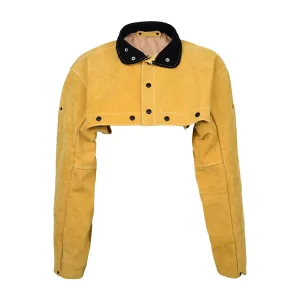
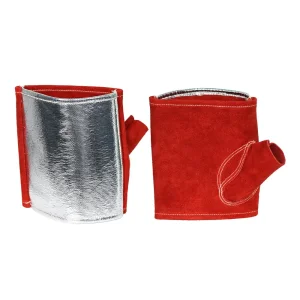
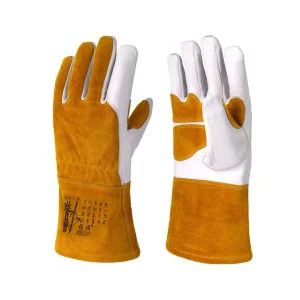
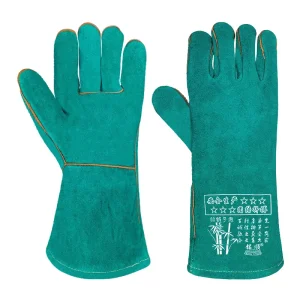
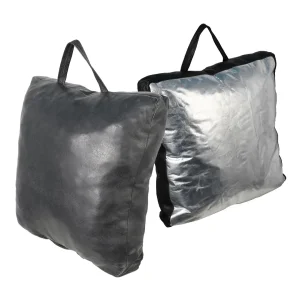
Certified industrial high-dexterity safety gloves, flame-retardant welding coveralls, and specialized leather PPE manufactured under rigorous ISO 9001 and EN 388/EN 511 standard procedures.
Technological transformation, ergonomic synthesis, and performance shifts redefining modern personal protective equipment across sub-zero industrial sectors.
Traditional impermeable rubber coatings often lead to severe condensation and internal moisture trapping. Modern custom winter work gloves incorporate dual-component ePTFE or hydrophilic TPU waterproof breathable membranes. These microscopic porous structures facilitate rapid moisture vapor transmission (MVTR > 8,000 g/m²/24h) while barring liquid water entry at hydrostatic pressures surpassing 10,000 mm H₂O, preventing internal dampness and subsequent rapid hypothermic frostbite in cryogenic environments.
Historical heavy winter mittens reduced tactile precision, forcing technicians to remove protective barriers to manipulate controls, resulting in frequent OSHA-reported industrial injuries. The vanguard of winter work gloves integrates 3D curved pre-flexed fingers, synthetic leather reinforcement with silicone or PVC matrix grip overlays, and micro-fiber thermal linings (such as multi-denier Thinsulate™ or hydrophobic fleece) that reduce bulk by 40% while preserving maximum tactile dexterity.
Global procurement teams no longer accept standalone thermal insulation. Tier-1 buyers demand unified multi-hazard protection integrating EN 388 Level 4/F cut resistance (via HPPE, Kevlar®, or basalt core fibers), anti-impact thermoplastic rubber (TPR) exo-skeletons, flame retardancy (FR), and arc flash mitigation alongside fully submerged waterproof barriers for offshore drilling and freezing maritime construction.
Enterprise procurement professionals, logistics directors, and safety distributors require predictable lead times, transparent compliance documentation, and auditable tier-1 manufacturing control.
Procuring through trading companies introduces invisible markups, unpredictable quality shifts, and communication breakdowns during customization cycles. Ming Shun operates direct manufacturing facilities spanning raw material grading, tanning, and automated sewing to ensure uncompromised traceability.
A primary failure mode of cheap waterproof gloves is seam leakage under dynamic flex. Institutional buyers demand 100% thermo-welded waterproof seam tapes, ultrasonic welded inserts, and rigorous hydrostatic pressure batch-testing to prevent wet-weather delamination.
Seasonal spikes in cold-weather gear often exhaust distributor inventories. With an active production floor exceeding 1,000 operators and 500,000+ monthly glove pairs, our facilities provide guaranteed seasonal ramp-up and disciplined 45-day lead times for bulk OEM contracts.
Importing into the European Union, United States, Canada, and Oceania demands validated CE Category II/III, ANSI/ISEA 105, and EN 511 certificates. Sourcing managers eliminate border confiscations by demanding lab reports verified by notified bodies before vessel departure.
Engineered protective garments and handwear custom-designed to match specific mechanical loads, liquid exposure risks, and thermal extremes across foundational industries.
Harsh wind chill, slush, wet concrete slurry, and abrasive aggregates destroy non-specialized gloves within hours. Our heavy-duty split cowhide reinforced palms paired with waterproof internal bladders and 150g warm fleece liners guarantee high puncture defense while keeping hands fully dry during sub-zero structural pouring and rigging.
Drilling rigs in the North Sea or Arctic zones encounter intense saline spray, cold hydraulic fluids, and severe crushing hazards. Ming Shun develops waterproof winter safety gloves featuring flexible back-of-hand TPR impact armor, oil-repellent textured nitrile palm grips, and solvent-resistant waterproof membranes.
Automated refrigeration warehouses operating continuously at -25°C to -40°C require lightweight dexterity combined with extreme conductive cold insulation. We utilize ultra-dense hollow-fiber insulation matrices and conductive touchscreen fingertips, enabling parcel scanning without hand exposure.
Stringent internal QA validation paired with certified Notified Body testing guarantees that all custom-manufactured winter gloves withstand aggressive industrial deployments.
Every style undergoes thermal chamber testing evaluating convective cold insulation (0-4), contact cold resistance via thermal conductivity sensors (0-4), and water impermeability (Pass/Fail after 30 minutes continuous exposure).
Validating tear resistance, abrasion life (Martindale cycles), blade cut indexes, and puncture thresholds. We engineer layered materials so thermal barriers do not sacrifice mechanical tear life under friction.
Guaranteed non-toxic manufacturing: leathers and synthetic polymers are certified free from Chromium VI, Azo dyes, and restricted phthalates according to EU Regulation (EC) No 1907/2006 for safe worker skin contact.
Comprehensive localization support for international brands: customized rubberized logos, woven brand badges, barcoded retail cartons, country-specific language inserts, and verified customs documentation.
How Ming Shun is investing in material science, automated production, and circular sustainability to power the future of heavy industry PPE.
By blending silica aerogel particles directly into non-woven needle-punched fiber layers, our R&D center achieves ultra-thin thermal insulation barriers with thermal conductivity as low as 0.018 W/m·K. This enables high-dexterity winter gloves to deliver EN 511 Level 3 convective cold insulation at half the traditional thickness, revolutionizing micro-motor operation and cryogenic utility maintenance.
Aligning with imminent EU and US EPA restrictions on polyfluoroalkyl substances, Ming Shun is transitioning all outer durable water-repellent (DWR) surface treatments to bio-based and silicone-free carbon-zero formulations. These green barrier treatments achieve level-4 water spray repellency without releasing persistent fluorinated chemistries into local ecosystems.
For high-risk deep-freeze logistics and polar engineering, we are actively prototyping low-voltage carbon-nanotube (CNT) flexible heating grids integrated within the glove shell. Regulated by micro-thermostatic switches, these heating zones sustain ergonomic hand temperature without inducing sweating or adding unwieldy battery bulk.
Essential guidance for safety equipment importers, wholesale distributors, and brand procurement managers seeking OEM custom winter work gloves and protective equipment.
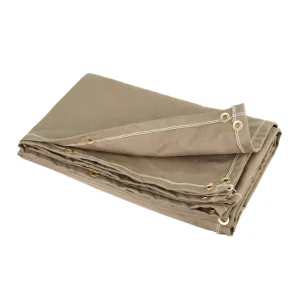
Precision-stitched leather welding jackets, flame-resistant protective hoods, and heat-resistant welders' pads built in our dedicated Gaozhou manufacturing facility.