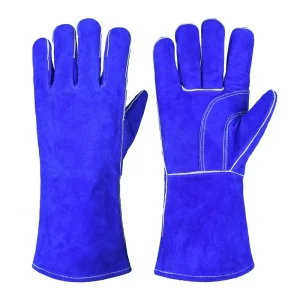
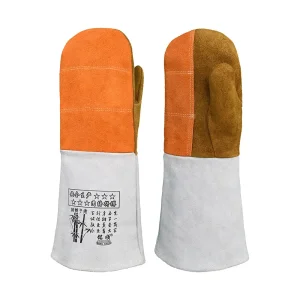
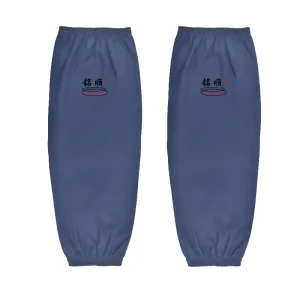
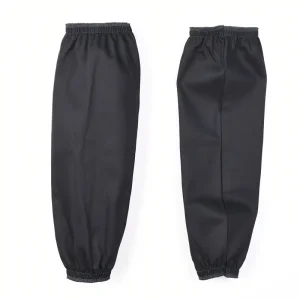
Engineered for high-amperage welding conditions, extreme convective heat, and rigorous mechanical abrasion. Direct-from-factory catalog items with global compliance certifications.
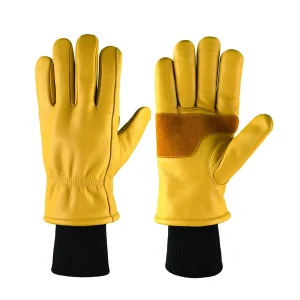
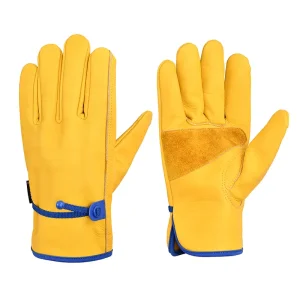
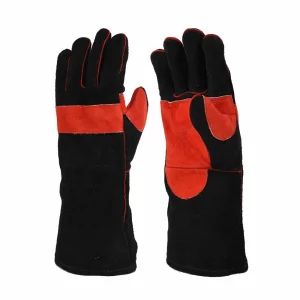
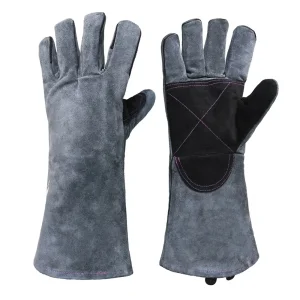
The transition from generic protective garments to precision-engineered, ergonomically zoned personal protective equipment is reshaping heavy manufacturing worldwide.
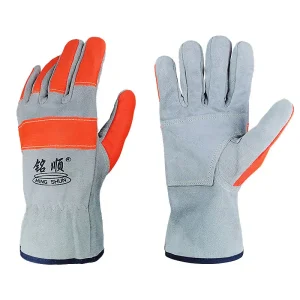
Modern inverter-based pulse MIG and high-frequency TIG technologies create dynamic spatter patterns with higher localized thermal energy. Standard welding leathers often degrade rapidly under sustained radiant arc flash. Today's industrial buyers require heat-resistant split cowhide fortified with meta-aramid or para-aramid threading (Kevlar® stitching) and dual-layer localized cowhide palm and wrist reinforcements.
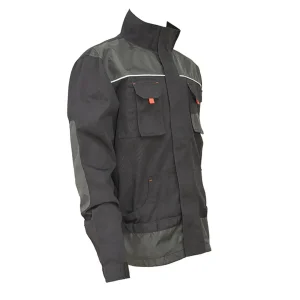
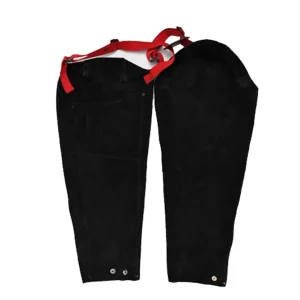
Worker fatigue is the primary contributor to repetitive strain and on-site burn injuries. Conventional, thick cowhide suits restrict neck rotation and shoulder flexion. The trend demands hybrid apparel—combining high-tensile 9 oz flame-retardant (FR) treated cotton torsos with flexible split cowhide or goatskin sleeves to optimize airflow without sacrificing upper-extremity spatter defense.
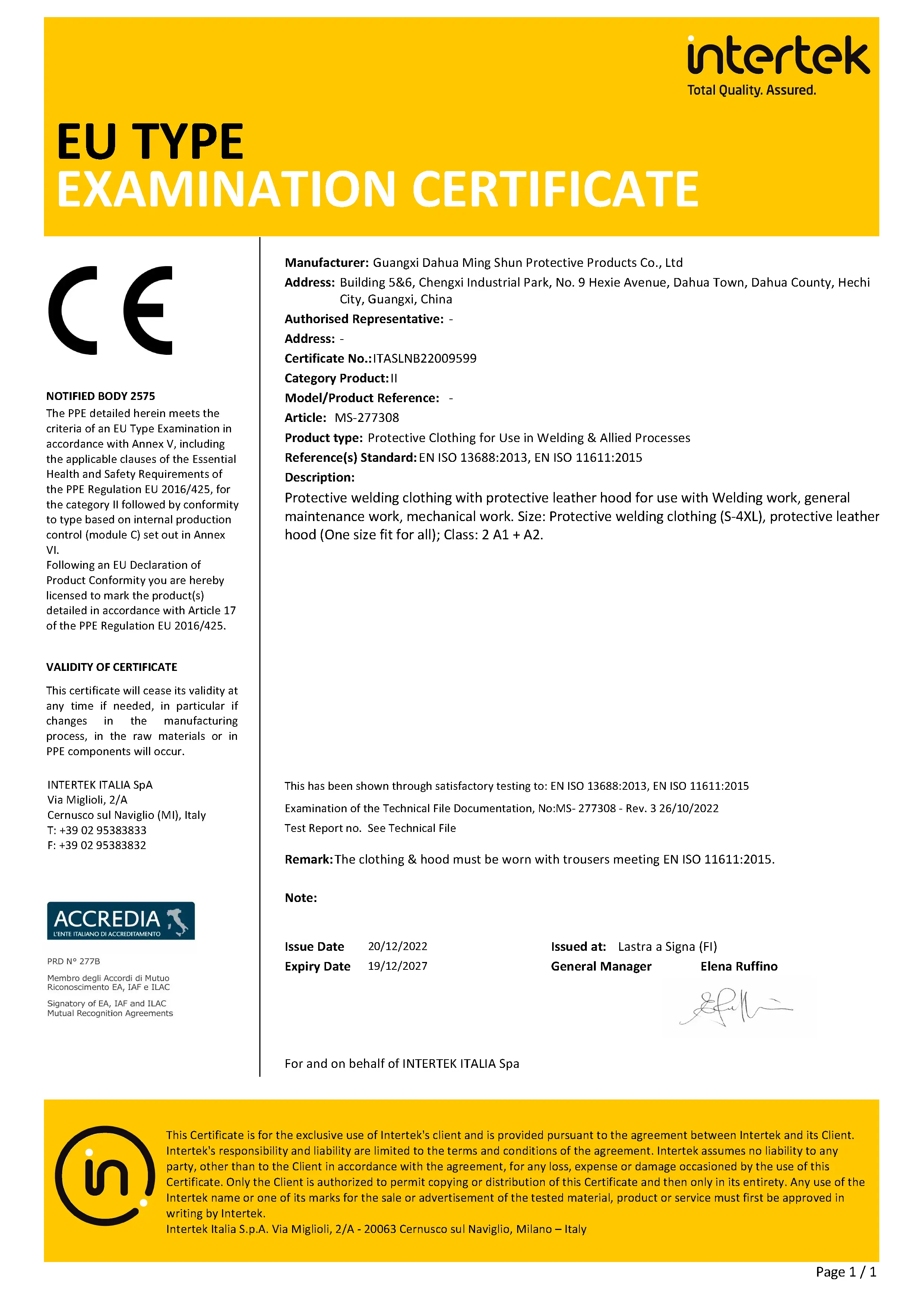
Multinational procurement conglomerates require PPE that complies seamlessly across North American, European, and Asia-Pacific standards. Our production pipelines are calibrated to meet EN ISO 11611 (Class 1 & Class 2 welding clothing), EN 12477 Type A & B welding gloves, EN 388 mechanical protection ratings, and ANSI/ISEA 105 cut/heat specifications simultaneously.
Operating from Gaozhou, Guangdong, Guangdong Ming Shun Labour Protective Products Co., Ltd. eliminates intermediate trading brokers by unifying raw hide tanning, precision automated cutting, and certified batch testing on site.
By operating closed-loop tannery and drum-dyeing infrastructure, we regulate leather moisture content, pH stability, and hexavalent chromium (Cr VI) zero-threshold detection to ensure unyielding heat defiance and non-toxic skin contact.
Digital nesting software optimizes hide yield while computerized hydraulic clicker presses cut panels within sub-millimeter tolerances. This maintains batch-to-batch seam consistency across multi-thousand-unit production contracts.
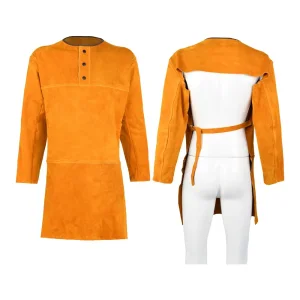
Every stress locus is double-chain stitched using 100% DuPont Kevlar® heat-resistant filament. Reinforced welted seams along the thumb crotch, sleeve gussets, and apron tie rivets eliminate thread melting and stitch unraveling.
Our dedicated sample engineering workshop interprets client tech packs, Pantone color specifications, custom labeling, and embossing requirements into functional production prototypes within 5-7 business days.
Specific metallurgical and mechanical operations demand targeted protection barriers. We align fabric density, leather thickness, and hardware architecture to specific field hazards.
Manual touch-up welders and robotic line maintenance personnel face continuous positional welding sparks. Lightweight goatskin MIG gloves paired with FR-treated cotton sleeves ensure tactile electrode control without compromising arc spatter resistance.
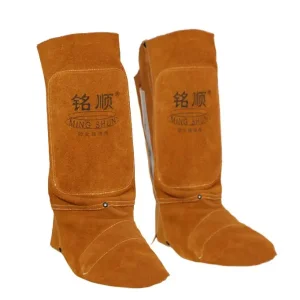
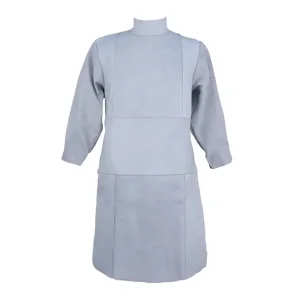
Salt spray, high ambient humidity, and multi-angle flux-cored arc welding (FCAW) require heavy-gauge split cowhide jackets (such as the MS-393 and MS-270) combined with non-conductive dielectric snap fasteners and protective leather shoe spats (MS-113).
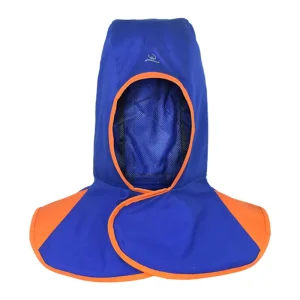
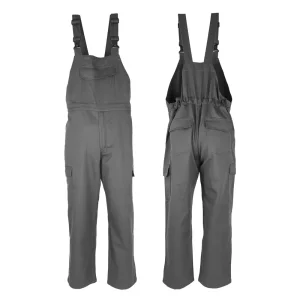
Confined-space pipe welding demands full neck and shoulder articulation. Leather welding hoods (MS-308N) integrate with welding helmets to protect against overhead slag droppings, while FR bib overalls (MS-1214) resist radiant arc burns and ambient hydrocarbon flashes.
Enterprise procurement checklists designed to eliminate supplier variability, reduce rejected shipments, and ensure uncompromised workplace safety.
Every cowhide hide is calibrated between 1.1mm and 1.4mm thickness. Only split shoulder hides with uniform fiber density are used for heavy-duty welding jackets and spats.
On-site laboratory tear resistance assessments verify batch-level compliance with EN 388 Level 4 tearing strength, guarding against premature punctures and workplace abrasion.
Our flame-retardant treated cotton fabrics maintain protective characteristics through 50+ commercial industrial laundry cycles at 60°C without loss of flame extinction efficacy.
Export cartons are reinforced with internal desiccants and polybag hermetic seals to protect genuine leather gear from moisture and mold growth during container shipping.
Key information on custom branding, regulatory compliance, lead times, and factory production capacities for global importers and B2B buyers.
Heavy-duty sleeves, reinforced leather spats, Class 2 aprons, and multi-risk workwear engineered to complement your enterprise PPE supply line.