Explore our top industrial-grade PPE apparel, leather components, and protective gear engineered in accordance with ISO and EN thermal defense mandates.
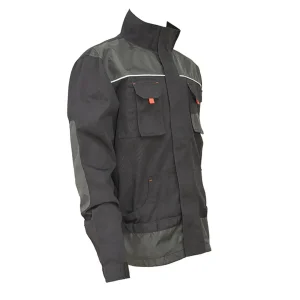
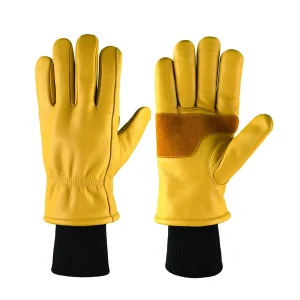
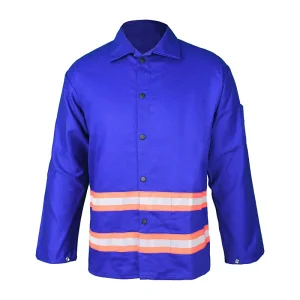
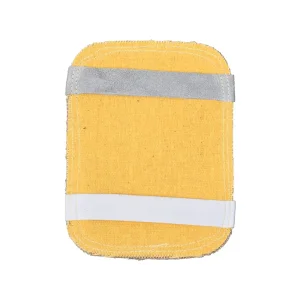
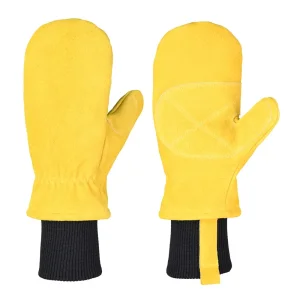
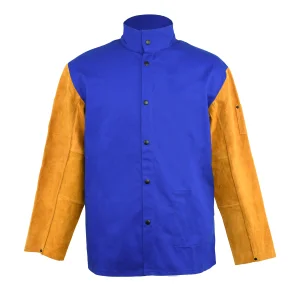
Navigating the choice between custom leather/FR welding aprons and full welding jackets requires evaluating process thermal loads, posture variations, duty cycles, and worker physiology.
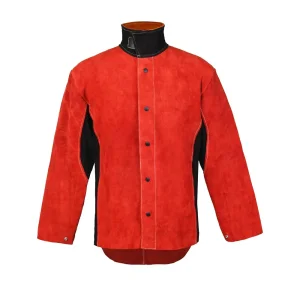
Full welding jackets provide 360-degree containment, shielding the cervical spine, shoulders, upper thoracic region, and radial arm surfaces from reflected radiant energy and heavy overhead slag common in stick (SMAW) and high-current flux-cored (FCAW) welding.
Continuous metabolic heat retention is a major cause of worker fatigue and safety non-compliance in tropical, marine shipyard, and unconditioned shop environments. Aprons provide natural posterior ventilation.
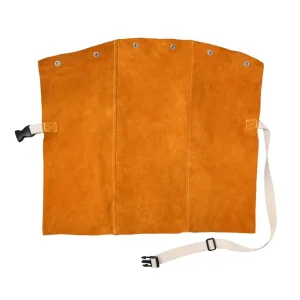
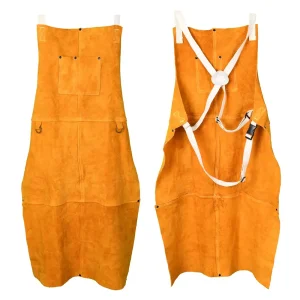
Industrial procurement managers evaluate safety apparel on a cost-per-operating-hour metric. Aprons paired with modular split-cowhide sleeves offer zoned sacrificial replacement at significantly lower capital expense.
| Evaluation Parameter | Custom Leather/FR Welding Apron | Full Leather/Hybrid Welding Jacket | Engineering Selection Rule |
|---|---|---|---|
| Spatial Coverage | Anterior torso, femoral region (optional split-leg bib) | Full 360° torso, shoulders, cervical base, complete arms | Jackets mandatory for out-of-position / 6G |
| Heat Stress Index | Minimal (Open dorsal airflow promotes evaporative cooling) | Moderate to High (Traps torso microclimate heat) | Aprons preferred in hot climate work |
| Spatter & Slag Deflection | Excellent frontal defense; zero lateral/cervical defense | Total structural barrier with storm flap collars & wrists | High-amperage SMAW/FCAW demands Jackets |
| Donning / Doffing Speed | < 15 seconds (Cross-back harness with quick-release buckles) | 45 - 90 seconds (Full snap-front, stand collar, cuff snaps) | Aprons maximize rapid-cycle productivity |
| Capital Cost / Unit | Lower raw material footprint; streamlined stitch paths | Higher cost due to structured grading, sleeves, and lining | Apron + Modular Sleeves maximizes ROI |
Industrial fabrication, shipbuilding, and energy infrastructure projects worldwide are adjusting PPE procurement policies to address rising commodity costs, tightened worker safety audits, and regional supply risks.
Global supply volatility has placed third-party assemblers at risk. By maintaining in-house tannery operations, splitting, chemical dyeing, and automated laser cutting under one roof in Gaozhou, Ming Shun shields international brand partners from fluctuating hide yields and inconsistent color batches.
Tier-1 automotive and structural steel fabricators across Europe and the Americas are increasingly replacing full 1.4mm leather garments with hybrid architectures—such as 9oz flame-retardant treated cotton bodies paired with cow split leather sleeves (e.g., our MS-1260 series)—balancing EN ISO 11611 compliance with all-shift comfort.
Importers face severe penalties under REACH and California Prop 65 for hazardous tanning agents. Advanced manufacturing requires strict batch control to eliminate hexavalent chromium (Cr VI), pentachlorophenol (PCP), and azo dyes, delivering certified skin-safe PPE directly to global distributors.
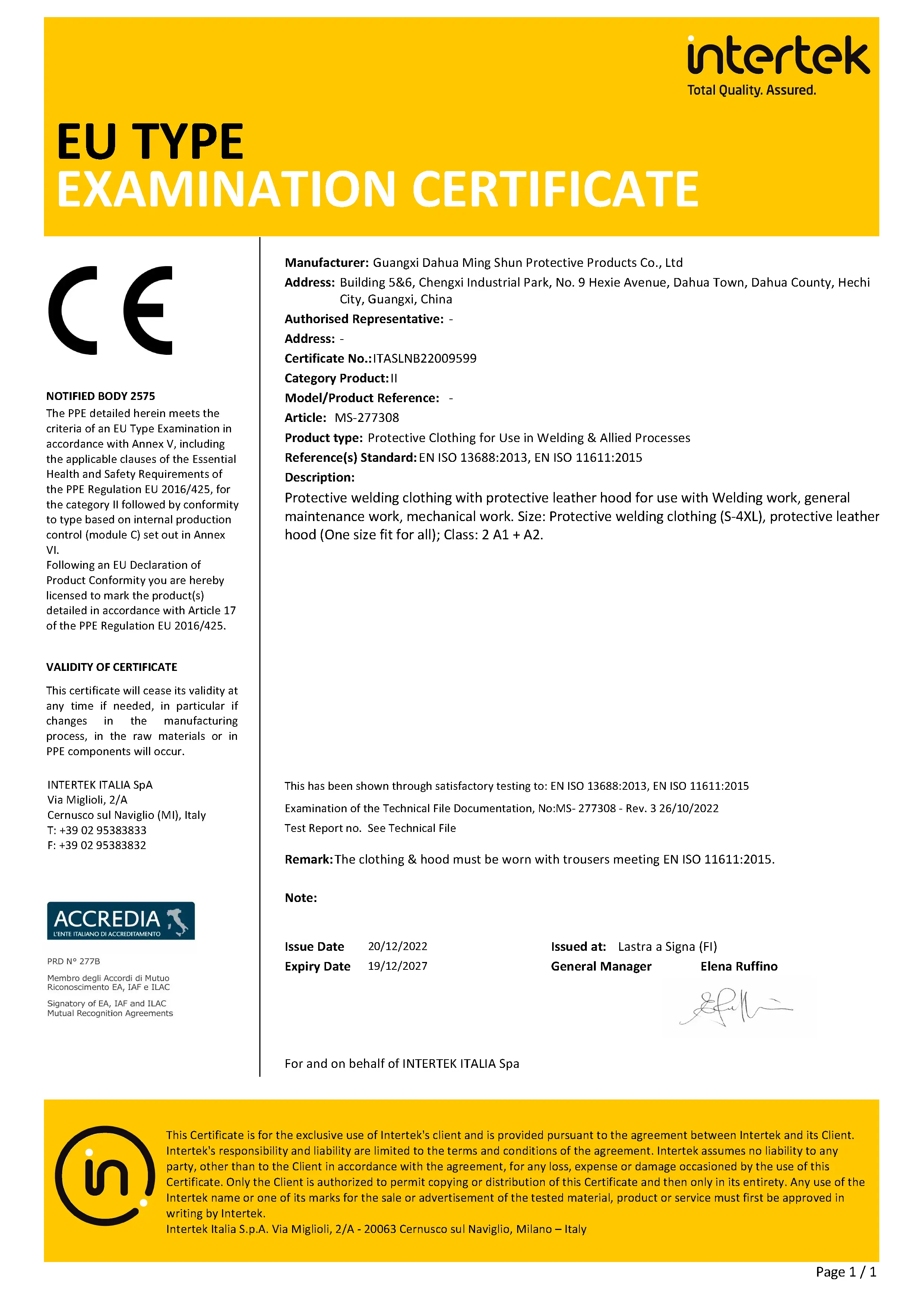
Safety regulations differ across jurisdictions. Ming Shun supports international distributors by certifying protective garments against major testing standards before container dispatch.
European PPE Regulation (EU) 2016/425 benchmark. Evaluates impact against small molten metal droplets, limited flame spread, radiant heat, and electrical resistance.
North American standards for industrial PPE and arc flash protection. Garments are engineered to self-extinguish immediately upon flame removal with zero structural melt-drip behavior.
Batch traceability runs from hide receiving to warehouse shipping. Every leather panel is checked for thickness, tensile strength, tear resistance, and moisture content before line feeding.
Chemical safety documentation for consumer goods and workplace PPE entering North America and the European Economic Area.
Matching safety workwear to specific industrial tasks reduces recordable injury rates and equipment replacement cycles.
Welders in ship double-bottoms, ballast tanks, and structural bulkheads work in tight, enclosed spaces with significant overhead slag exposure.
High-volume robotic cell supervisors and manual MIG rework stations face steady, repetitive production tempos in climate-managed plants.
Field pipeline welders weld large-diameter pipes outdoors, balancing intense direct sunlight with open arc-flash exposure.
Industrial PPE is shifting toward lightweight composite materials, ergonomic weight distribution, and integrated digital tracking to support modern welding facilities.
Integrating fluorocarbon-free water- and oil-repellent polymers during the tanning process stops industrial oils and cutting coolants from soaking into the leather matrix, reducing flash ignition risks.
Modifying rear jacket shoulder panels and harness loops allows comfortable integration with passive industrial shoulder-support exoskeletons, reducing arm strain during long overhead welding runs.
Field-testing ultrathin 1.5mm aerogel insulation pads along the clavicle and collar areas. This blocks thermal conduction during prolonged pipe leans without the bulk of double-thick cowhide.
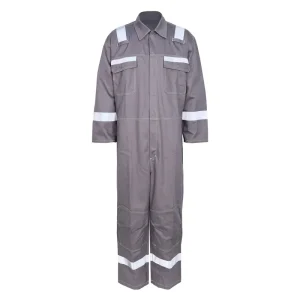
Heat-sealed, flexible UHF RFID tags embedded directly into FR coveralls and welding jackets help automated industrial laundries monitor certified wash limits and track PPE supply runs.
Answers to common technical, manufacturing, and supply chain questions from industrial distributors and brand purchasing directors.
Welding aprons work best for light-to-medium horizontal workbench welding (TIG/GMAW), tool and die maintenance, grinding, and automated robotic cell tending. They are ideal when maximum torso breathability is needed to keep workers cool, and when welders stay clear of out-of-position or overhead molten spatter.
Natural leather has a dense, cross-linked collagen fiber structure that does not melt, dissolve, or rapidly transfer heat when hit by molten spatter up to 1500°C. While flame-retardant cotton handles lighter tasks, cow split leather (1.1mm - 1.4mm) remains the top choice for heavy gouging, stick, and heavy flux-cored arc welding.
Yes. Hybrid jackets (such as the MS-1260) can earn dual-zone certification under EN ISO 11611. The full cowhide sleeves and shoulder yoke meet Class 2 standards for high spatter, while the 9oz or 12oz FR cotton torso meets Class 1, offering an ideal balance of protection, flexibility, and airflow.
Standard polyester or nylon threads can char and fail when exposed to hot spatter. Quality welding PPE is sewn with 3-ply or 4-ply DuPont™ Kevlar® or Para-Aramid thread. All high-stress points (pocket edges, strap attachments, underarms) are secured with concealed seams and reinforced metal rivets.
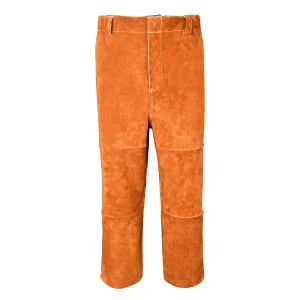
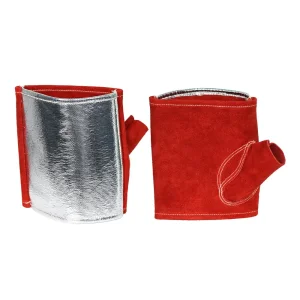
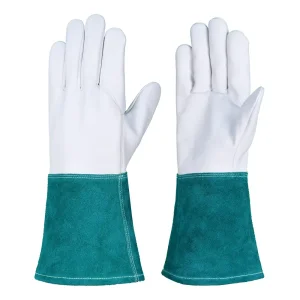
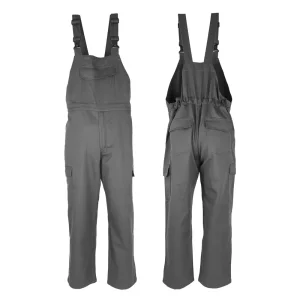
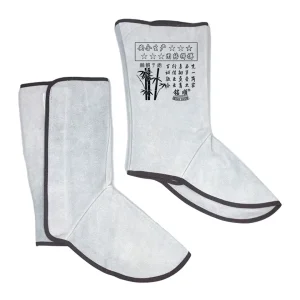
Complete your safety equipment orders with certified split cowhide trousers, custom aprons, high-dexterity TIG gloves, and heat-resistant bib accessories.