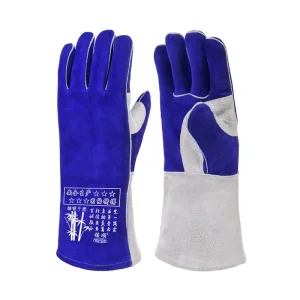
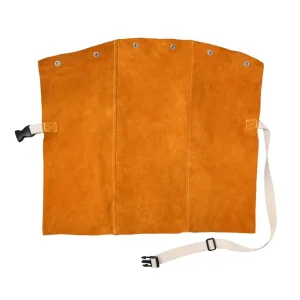
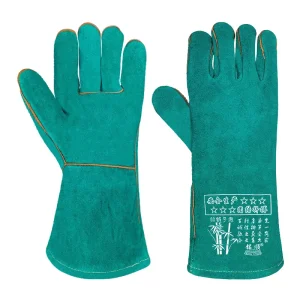
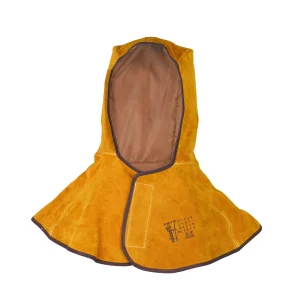
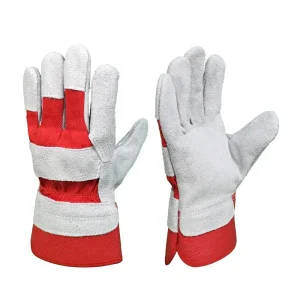
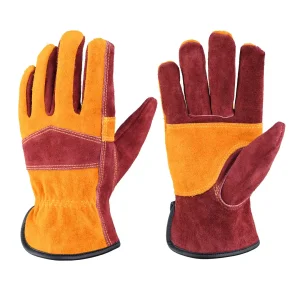
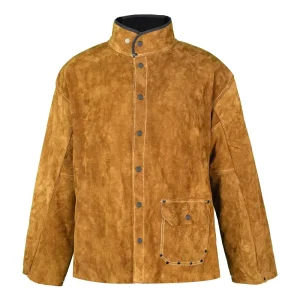
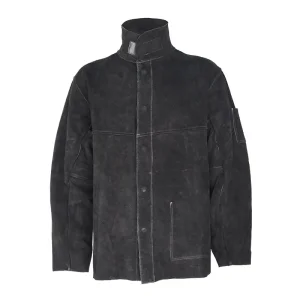
Engineered to mitigate intense radiant heat, slag splatter, and high-frequency electric arcs. Browse factory-direct, customizable PPE lines built according to EN ISO 11611 and ANSI/ISEA specifications.
A rigorous examination of geopolitical reshoring, regulatory shifts, and technical metallurgy driving modern procurement across industrial manufacturing sectors.
The global welding personal protective equipment (PPE) market is undergoing a structural transformation. Driven by heavy infrastructure spending in North America, Western European automation-overhauls, and massive maritime construction expansions across the Asia-Pacific basin, enterprise demand has transitioned from commodity purchasing to high-performance, compliance-certified personal barrier technologies. Modern industrial welders operate across an aggressive matrix of thermal, electrical, mechanical, and radiative hazards. The confluence of ultra-high-temperature processes—such as high-amperage Submerged Arc Welding (SAW), Gas Metal Arc Welding (GMAW/MIG), Gas Tungsten Arc Welding (GTAW/TIG), and plasma gouging—imposes unprecedented thermo-mechanical stress on protective gear.
Historically, industrial safety programs relied heavily on generic split cowhide clothing, often characterized by severe ergonomic stiffness, thermal retention, and inconsistency in raw material hide grading. However, modern plant operators and procurement directors now evaluate total cost of ownership (TCO), seam durability under continuous radiant exposure, ergonomic articulation to counteract musculoskeletal strain, and absolute adherence to stringent international compliance frameworks such as EN ISO 11611:2015 (Class 1 & Class 2), EN 12477:2001+A1:2005 (Type A & Type B welders’ gloves), NFPA 2112, and ANSI/ISEA 105.
Choosing the correct polymer-matrix, hide anatomy, or flame-retardant fiber composition based on process thermal flux, molten globule velocity, and mechanical friction.
| Material Substrate | Thermal & Molten Splash Resistance | Tactile Dexterity & Flexion | Abrasion & Tear Resistance | Primary Industrial Applications |
|---|---|---|---|---|
| Heavy Split Cowhide (1.2–1.4mm) | Exceptional (Resists sustained slag > 1,400°C) | Moderate (Requires pre-curved patterning) | Superior (ISO 11611 Class 2 Certified) | Heavy MMAW/Stick, Flux-Core, Structural Steel Erection |
| Top-Grain Goatskin (0.8–1.0mm) | Moderate (Resistant to transient sparks) | Maximum (Tactile sensitivity for wire feeding) | High tensile, low puncture resistance | Precision TIG (GTAW), Aerospace Exotic Alloys |
| Grain Pigskin (0.9–1.1mm) | High (Retains breathability without stiffening) | High (Porous grain permits moisture venting) | Very High (Oil and moisture repellent) | Shipyard Pipe Fitting, Wet/Oily Structural Prefab |
| Treated FR Cotton (9–12 oz) | Medium (Char boundary prevents flame propagation) | Superior (Lightweight, optimal cooling) | Moderate (Often reinforced at high-wear zones) | Secondary Garments, Automotive Assembly, Warm Climates |
| Aramid/Kevlar® Hybrid Stitching | No melt, no drip, decomposition > 425°C | Structural Component (Zero seam elongation) | Extremely High Cut and Tensile Resistance | All Critical Load-Bearing Stress Seams & Thumb Welts |
Thermal degradation occurs when organic collagen matrix fibers uncouple under continuous UV and infrared radiation. Ming Shun implements proprietary mineral tanning techniques that stabilize the internal hide fibers, preventing heat shrinkage and brittleness under intense radiative heat.
Restricted arm mobility forces welders into hazardous posture compensations. By utilizing 3D gusseted underarms, keystoned thumbs, and pre-curved finger anatomies, our gear reduces muscle strain during continuous multi-hour welding runs by up to 28%.
Standard stitching fails when hit by flying hot slag, resulting in catastrophic garment blowout. We exclusively engineer our heavy-duty lines with genuine DuPont™ Kevlar® continuous filaments, inset welted seams, and heavy rivet reinforcements at key stress joints.
Customized equipment matrices designed to safeguard welders against hazards unique to specific industrial sectors.
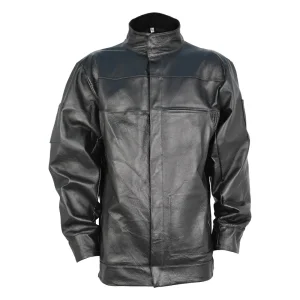
Confined double-bottom ballast tanks expose operators to acute reflective heat, abrasive ballast steel, and poor ventilation. Our solution deploys heavy-duty split cowhide jackets with moisture-dispersing mesh linings, spark-deflecting spats, and heavy cowhide bib aprons.
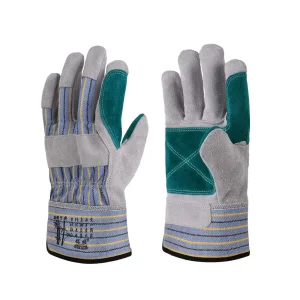
Fast-cycle robotic MIG workstations require fast human handling, tool adjustments, and seam grinding without constant glove swaps. We engineer hybrid gloves featuring goatskin palms for precision dexterity and split cowhide backs for spatter deflection.
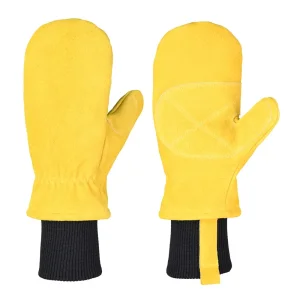
Field cross-country pipeline welders work in harsh exterior conditions—from arctic sub-zero sites to high-heat desert environments. We manufacture specialized extended pigskin outerwear and thermal-insulated mitten systems that maintain elasticity under harsh thermal shifts.
How Guangdong Ming Shun Labour Protective Products is integrating material science, eco-tanning chemistry, and sensor-ready textiles into heavy industrial protection.
Eliminating hexavalent chromium formation risks under extreme welding arc UV. We are transitioning leather lines to synthetic aldehyde and vegetable-hybrid tanning methods that reduce environmental effluent while retaining leather tensile elongation and thermal shrinkage resistance.
Integrating micro-porous silica aerogel felts into glove backs and shoulder capes. This drops heat conductivity down to 0.015 W/m·K—allowing operators to handle heavy torch work and adjacent preheated workpieces (> 350°C) with significantly thinner, lighter insulation layers.
Collaborating with industrial exoskeleton manufacturers to build articulated PPE with integrated harness channels, passive lumbar load redirection, and telemetry pockets that fit real-time ambient gas, VOC, and thermal-stress wearable monitors.
From CAD tech pack development to containerized maritime logistics, our integrated Gaozhou facility guarantees batch consistency, traceability, and documented quality control.
Our pattern engineering team reviews your CAD drawings, tech sheets, or physical samples. We adjust seam ergonomics, select leather cuts (A, AB, or B split grade), and align FR fabric weights to your regional regulatory standards.
Initial samples are crafted with production-grade materials, custom dyed hides, and specified hardware (YKK brass snaps, non-conductive FR Velcro). We provide dimensional inspection sheets for sign-off prior to tooling allocation.
With 1,000+ factory workers operating across dedicated sewing, riveting, cutting, and assembly lines, we achieve scalable production output exceeding 500,000 pairs of gloves per month alongside full-volume garment runs.
Every batch undergoes AQL 2.5/4.0 inspection for tensile strength, seam integrity, and colorfastness. Private-label barcode labelling, polybags, carton palletization, and full customs documentation are handled in-house.
In-depth technical answers addressing material selection, testing certifications, minimum orders, and supply chain logistics.
Class 1 protects against less hazardous welding techniques and situations that cause lower levels of spatter and radiant heat (e.g., TIG, micro-plasma, spot welding). Class 2 requires higher drop counts before thermal transmission and protects against high-spatter, heavy radiant processes (e.g., MIG with high currents, flux-cored welding, plasma cutting). Our split cowhide line is designed specifically to comply with Class 2 criteria.
Most PPE factories buy pre-tanned split leather from third-party wet markets, resulting in severe fluctuations in leather thickness, stiffness, moisture retention, and oil contamination. Guangdong Ming Shun manages raw hide selection and tanning internally in Gaozhou, ensuring calibrated hide thickness (±0.05mm), consistent tensile break points, and stabilized dye lots across multi-year purchase agreements.
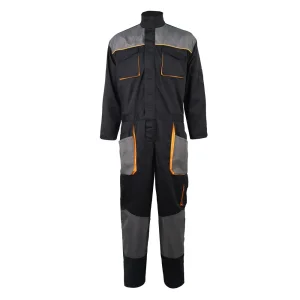
Chemically treated FR cotton (such as Proban® or Pyrovatex® chemistry) provides a cost-effective charring barrier suitable for ambient spatter and secondary hot-work zones, withstanding 50 to 100 industrial wash cycles. For extreme petrochemical or high-voltage arc situations, we also supply inherent synthetic blends (e.g., Aramid/Nomex® / Modacrylic) that maintain flame resistance indefinitely regardless of wash frequency.
Physical sampling typically takes 7–10 working days once tech packs or digital patterns are approved. Production lead times for custom containers average 35–45 days. Standard MOQs are 1,200 pairs for custom gloves and 300–500 units for leather jackets or FR coveralls, with multi-size split allowances supported for authorized distributors.
Yes. We supply test documentation from accredited bodies such as SGS, TÜV, and SATRA confirming EN 388 (mechanical risks), EN 407 (thermal risks), EN 12477 (welding hand protection), and EN ISO 11611 (welding protective clothing). Test reports and technical files are shared directly during sampling verification.
Welding garments must prevent secondary electrical conductivity if a welder brushes against an energized electrode holder. We construct our premium jackets and bibs with recessed leather flap barriers, plastic/leather washer insulators under heavy rivets, and non-conductive melamine or dielectric snap closures.
Complete your catalog with high-grade split cowhide gloves, bibs, protective hoods, and mobility jackets engineered for global safety distribution programs.