Direct manufacturing catalog spanning high-wear gauntlets, aluminized thermal accessories, and specialized custom protective apparel.
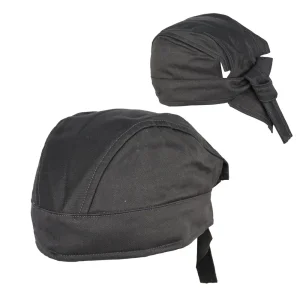
OEM MS-120 FR Welding Doo Rag with Built-In Sweatband Supplier, Factory
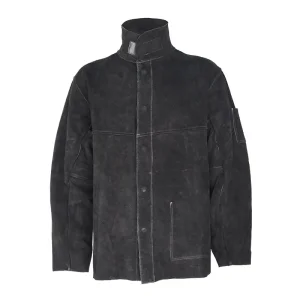
Wholesale MS-390B 30" Leather Welding Jacket with Gusseted Mobility Manufacturers, Supplier
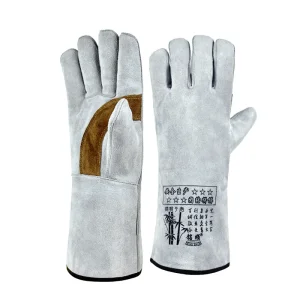
Custom MS-778 Long Gauntlet Stick Welding Gloves, Reinforced Thumb Supplier, Suppliers
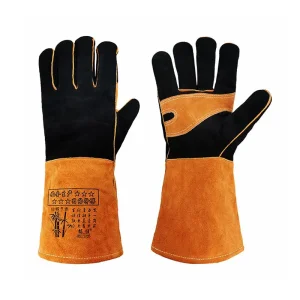
Custom MS-710F Fur-Lined Split Cowhide Winter Welding Gloves Manufacturers, Factories
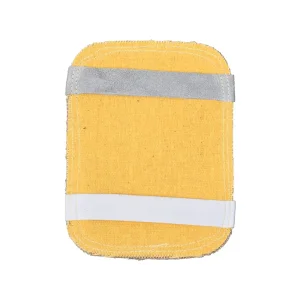
OEM MS-106T Aluminized Welding Back Hand Pads Manufacturers, Factories
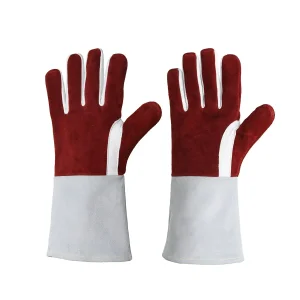
OEM MS-W883M 14-Inch Reversible Split Leather MIG Welding Gloves Manufacturers, Supplier
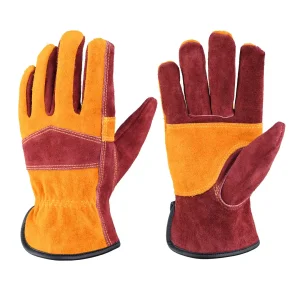
OEM MS-567 Open-Cuff Cowhide Leather Work Gloves, Reinforced Grip Suppliers, Factories
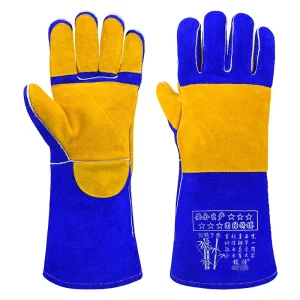
Custom MS-815 16" Cowhide Welding Gloves with Double Palm Manufacturer, Supplier
In high-intensity industrial fabrication, traditional 100% full-leather jackets often impose restrictive thermal fatigue, while all-cotton garments lack the cut and molten slag resistance essential for heavy MIG, flux-cored, and carbon-arc gouging. The leather sleeved hybrid jacket represents the optimal balance of ballistic-grade spatter defense and torso thermoregulation.
By mapping spatial slag trajectory, sleeves and shoulder yokes receive 1.2mm–1.4mm premium split cowhide or side-split pigskin. These areas endure high-temperature spatter up to 1,400°C without puncturing, keeping vulnerable operator extremities completely isolated from slag splash and sparks.
The torso utilizes flame-retardant treated sateen weave cotton (ASTM D6413 & NFPA 70E certified). It maintains natural air permeability, preventing metabolic heat accumulation and core body overheating during grueling multi-hour shifts in enclosed or humid shipyard environments.
Standard nylon and polyester threads melt under moderate thermal radiation. Our factory uses solely 3-ply and 4-ply Kevlar® threads with reinforced bartacking across critical failure zones, preventing sleeve detachment under heavy mechanical pulling loads.
Unlike trading agencies or decentralized assembly workshops, our Gaozhou manufacturing complex unites every production phase from primary hide selection to container consolidation under rigorous ISO 9001 governance.
Raw hides undergo strict mechanical shaving and chromium-free/low-chrome stabilization. This eliminates hide thickness deviation, ensuring a consistent ±0.1mm tolerance across every finished leather sleeve batch.
Digital pattern projection aligns with the natural grain tension of cowhide. High-precision hydraulic die systems prevent structural micro-fractures, maintaining structural integrity under repeated mechanical flexing.
Every jacket shipment links to traceable fiber and chemical compliance certificates, certifying resistance to flame propagation, tensile tear, and absence of restricted substances (SVHC/REACH).
Integrated manufacturing pipelines allow standard customized garment sampling within 5–7 working days, and full 40ft high-cube export container production within 35–45 days.
A single welding garment cannot fulfill the mechanical and thermal criteria of all industrial verticals. We engineer task-specific PPE configurations targeting actual work stressors.
Naval shipyards require extreme abrasion protection against raw rusted plate steel. Our marine jackets integrate moisture-resistant split cowhide sleeves, salt-spray corrosion-resistant brass hardware, and dielectric insulated closures to safeguard operators in high-salinity marine environments.
For refinery turnaround and pipeline tie-ins, static dissipation is non-negotiable. We integrate antistatic carbon grids within the FR cotton torso, paired with chrome-tanned sleeves certified for electric arc thermal performance (ATPV ≥ 8.6 cal/cm²).
For continuous structural flux-cored arc welding (FCAW) and gouging, jackets feature extra-deep underarm gussets, double-layer leather forearm patches, and standoff mandarin collars to block falling slag during overhead welding.
Exporting to multi-regional enterprise clients demands unambiguous regulatory conformance. Our testing protocols strictly meet international labor protection mandates.
Certified against manual welding techniques with light or heavy formation of spatters and drops (Class 2: radiant heat protection and drop test impact ≥ 25 drops without perforation).
Comprehensive vertical flame spread compliance for North American EPC contractors, guaranteeing self-extinguishing behavior and zero afterglow or melt-drip under open arc exposure.
Full Category II PPE certification through accredited EU Notified Bodies, accompanied by complete Module B examination certificates and technical documentation files.
Dimensional stability, neutral pH (between 3.5 and 9.5) to prevent dermatitis, and Chromium VI tests below detection limits (<3.0 mg/kg) ensuring long-term wearer skin safety.
Welding metallurgy and ergonomics are advancing rapidly. Our engineering labs are driving technical evolutions to modernize traditional personal protective clothing.
Traditional leather absorbs oils and cutting coolants, deteriorating split fibers over time. We are commercializing fluorocarbon-free surface finishes that repel heavy oils without compromising leather flexibility or flame retarding properties.
Weight reduction remains a primary objective for ergonomic welders. Our development of thinned, high-tensile cowhide composites offers the physical barrier of 1.4mm leather at 30% lower mass, decreasing physical strain during overhead maneuvers.
Preparing for Industry 5.0, our garment structures are being engineered with routed interior conduits capable of accepting passive thermal dosimeters and vitals telemetry tags for workers operating in high-risk confined refinery vaults.
We empower multinational brands, government safety tender bidders, and tier-1 industrial supply catalogs through comprehensive contract manufacturing capabilities.
Submit dimensional drawings, tech packs, or competitor benchmarks. Our dedicated pattern development department translates your requests into graded CAD patterns across sizes S through 6XL.
Initial pre-production samples are completed in 5–7 days. Every sample comes with detailed QA measurement reports, tension test results, and swatch certificates for buyer verification.
Comprehensive private branding options: hot-stamped leather emblems, flame-resistant direct silicone printing, branded brass snap rivets, barcoded hangtags, and retail carton formats.
FOB Shenzhen/Guangzhou, CIF destination port, or full DDP logistics. We handle container loading optimization, moisture-barrier shrink palletization, and complete export customs documentation.
Essential technical and procurement insights for safety directors, wholesale distributors, and brand procurement managers.
Comprehensive heavy-industry protective apparel: custom overalls, headgear, cable covers, and specialized industrial workwear.
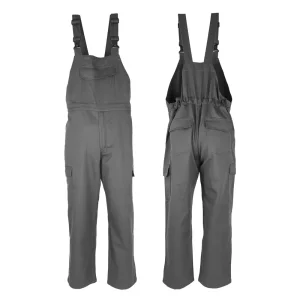
Custom MS-1214 FR Bib Overalls for Industrial Work Manufacturer, Suppliers
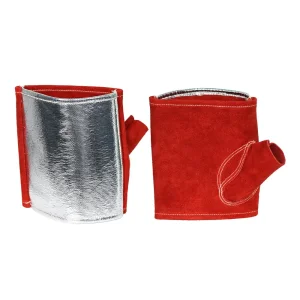
Wholesale MS-2517 Leather Welding Glove Saver with Reflective Heat Shield Supplier, Factory
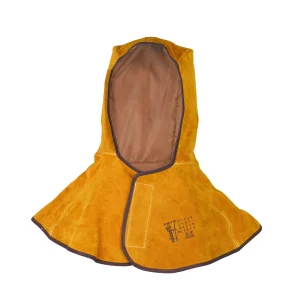
Wholesale MS-308 Premium Split Cowhide Leather Welding Hood Supplier, Suppliers
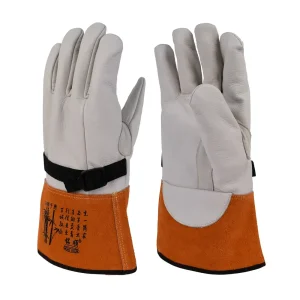
OEM MS-940 Electrician’s Leather Protector Gloves for Electrical Work Suppliers, Factories
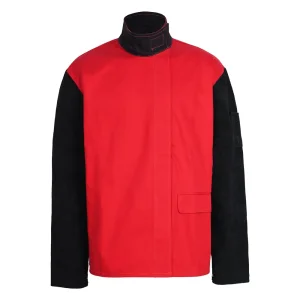
OEM MS-281B FR Cotton Welding Jacket with Split Leather Sleeves Manufacturer, Supplier
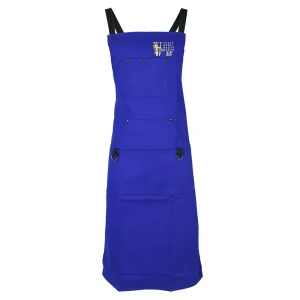
OEM MS-F7080 FR Cotton Welding Bib Apron with Harness Straps Supplier, Suppliers
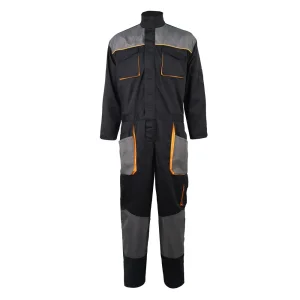
OEM MS-1327 Heavy-Duty Work Overall with Reinforced Knee Pockets Manufacturer, Factory
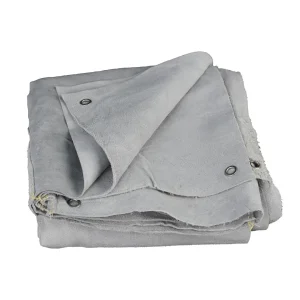
Wholesale MS-6*6 Cowhide Leather Welding Cable Cover Manufacturer, Factories

