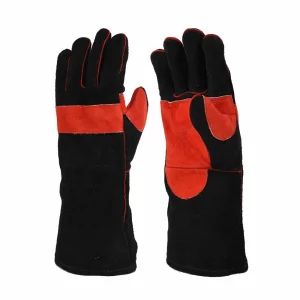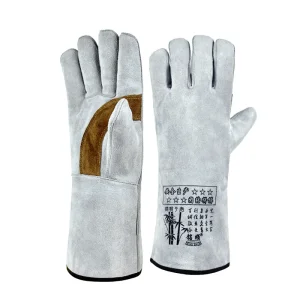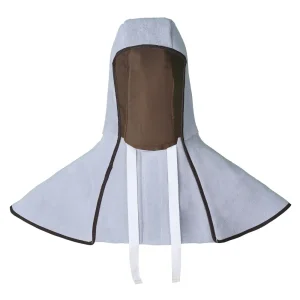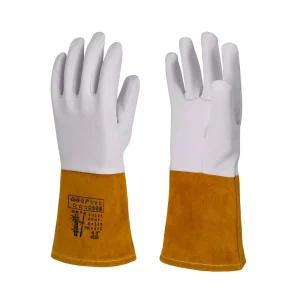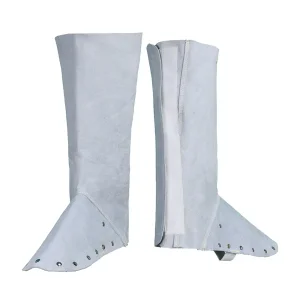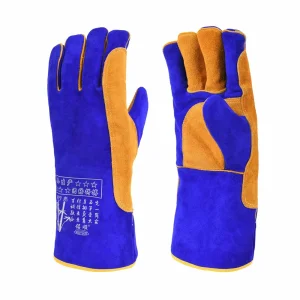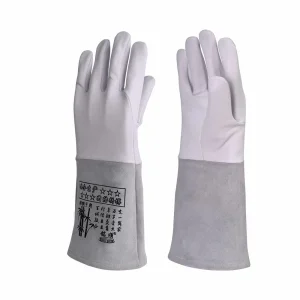
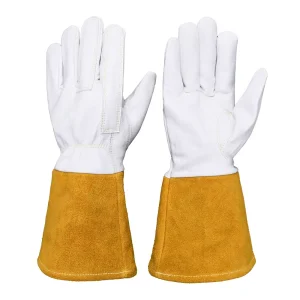
EN 12477 Type BGoatskin
Engineered for extreme mechanical abrasion, high-amperage MIG/TIG heat dissipation, and ergonomic operator comfort. Verified batch conformity.
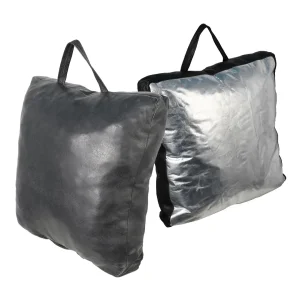
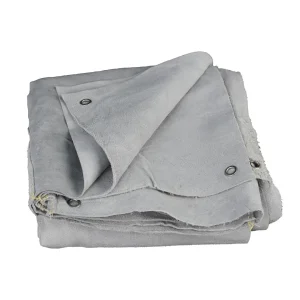
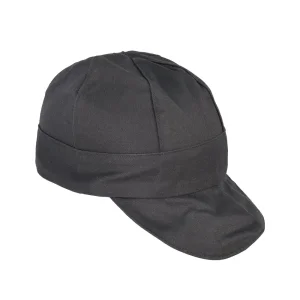
Evaluating commercial dynamics, leather yield optimizations, environmental tanning compliance, and changing procurement architectures across North America, the EU, and emerging markets.
The global men's industrial safety glove sector has transitioned from transactional spot-purchases to integrated, long-term vendor partnerships. Enterprise tier-1 EPC contractors require full upstream visibility into rawhide traceability, REACH-compliant chromium stabilization, and audit-verified labor standards across manufacturing hubs.
Modern field conditions demand hybrids: pairing tensile goat grain across the palm for tactile dexterity with heavy split cowhide on the back of the hand and cuffs. Combining aramid stitch linings with specialized oil-repellent tanning finishes extends glove lifespan by up to 240% in high-wear abrasive applications.
Regulatory adherence has evolved beyond baseline CE certification. Importers must reconcile overlapping frameworks including EN 388:2016+A1:2018 (abrasion, cut, tear, puncture), EN 407:2020 (thermal resistance), EN 12477:2001+A1:2005 for welding operations, and North American ANSI/ISEA 105 requirements.
Quantitative evaluation of primary leather substrates used in men's industrial safety gloves, contrasting physical characteristics, tactile fidelity, and application tolerances.
| Substrate Material | Tensile Strength (MPa) | Puncture Resistance (EN 388) | Tactile Dexterity (EN 420) | Optimal Industrial Deployment |
|---|---|---|---|---|
| Full-Grain Premium Goatskin | 28.5 – 34.0 | Level 2 – 3 | Level 5 (Max Tactility) | Precision TIG Welding, Electrical Utility, Aerospace Assembly |
| Heavy Split Cowhide (A-Grade) | 18.0 – 24.5 | Level 3 – 4 | Level 2 – 3 | Heavy MIG/MMA Welding, Foundry, Scrap Handling, Structural Steel |
| Full-Grain Pigskin | 22.0 – 26.0 | Level 2 – 3 | Level 4 | Moisture-Prone Environments, Rigging, Cold Storage, Agricultural Works |
| Aluminised Leather Composites | Composite Multi-Ply | Level 3 | Level 1 – 2 | Continuous Radiant Heat Exposure (>900°C Reflection), Furnace Operations |
How tailored leather glove geometries prevent hand injuries and elevate operator efficiency across specialized work environments.
Field pipeliners encounter intense radial heat, wet pipeline ditches, and violent mechanical pinch risks. Split cowhide gauntlet configurations with reinforced keystone thumbs and DuPont™ Kevlar® stitching prevent seam blowout during high-angle SMAW root and hot passes.
Marine fabrication involves restricted spaces where welders constantly lean against heated bulkhead plates. Extended split cowhide gauntlets combined with aluminised back pads defend dorsal hand zones from radiant bounceback without reducing trigger finger movement.
Men erecting structural I-beams handle cold, unpolished metal surfaces, heavy torque wrenches, and constant hot tack welding. Heavy-weight split leather with reinforced palms provides balanced slip-resistance, vibration cushioning, and puncture defense against sharp steel burrs.
How our R&D team addresses emerging manufacturing demands through sustainable tanning chemistry, ergonomic 3D modeling, and multi-risk protection.
Transitioning to heavy metal-free vegetable and aldehyde-based tanning reduces wastewater chemical oxygen demand (COD) while preventing chrome-VI formation even in high-heat welding environments.
Moving beyond standard flat patterns toward pre-curved 3D hand designs that match resting hand anatomy. This eliminates palm bunching, reduces grip fatigue by ~35%, and allows continuous wear through 12-hour shifts.
Integrating fluorocarbon-free surface treatments directly into leather fibers blocks heavy hydrocarbon and industrial cutting fluid absorption, helping leather maintain suppleness and grip when exposed to oil.
Clear answers to common questions about factory audits, technical specifications, OEM lead times, and global shipping.
Our glove facility produces over 500,000 pairs monthly across specialized manufacturing cells. Standard OEM batch MOQs start at 1,200 to 2,400 pairs per style and size breakdown. For high-volume multi-market programs, custom volume arrangements are available.
Because we control raw material processing, tanning, dyeing, and panel grading under one roof, we manage critical metrics before cutting. We sort split cowhide and goatskin into precise thickness increments (e.g., 1.1–1.3 mm for MIG; 0.7–0.9 mm for TIG) to ensure consistent hand-feel, tensile strength, and color matching across reorders.
Our work gloves comply with European EN ISO 21420 (general requirements), EN 388:2016+A1:2018 (mechanical risks), EN 407:2020 (thermal risks), and EN 12477:2001+A1:2005 (welders' gloves Type A and B). We also produce to ANSI/ISEA 105 criteria for North American distributors. Complete test reports from accredited notified bodies (CTC, SATRA, SGS) accompany sampling.
Yes. Our in-house engineering and pattern team turns tech packs, CAD sketches, or counter-samples into finished prototypes. We offer hot-stamping, leather debossing, woven branding labels, customized cuff trims, and retail-ready polybags or barcode packaging.
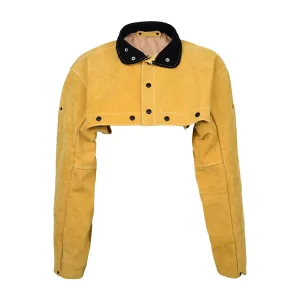
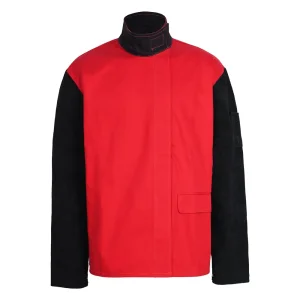
Heavy split cowhide and hybrid flame-resistant workwear designed for structural fab shops, foundries, and industrial maintenance.