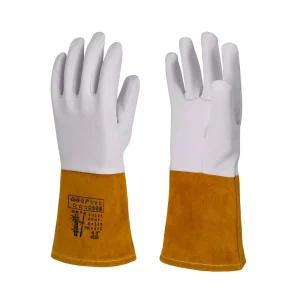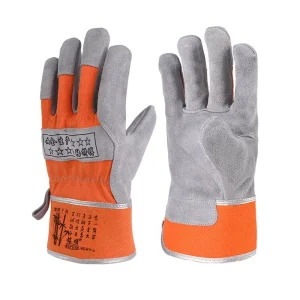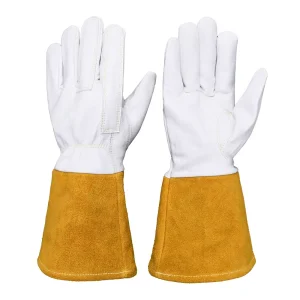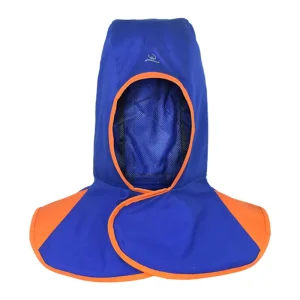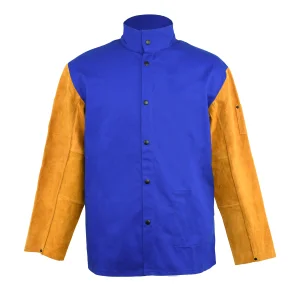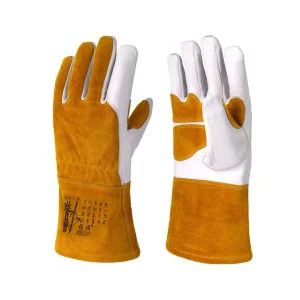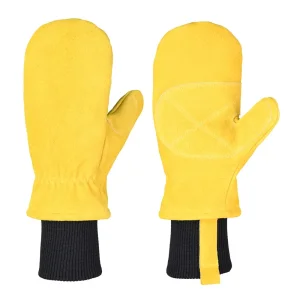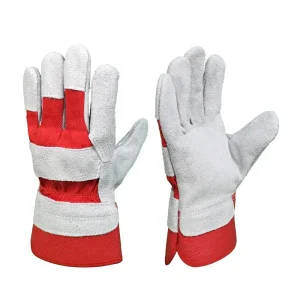
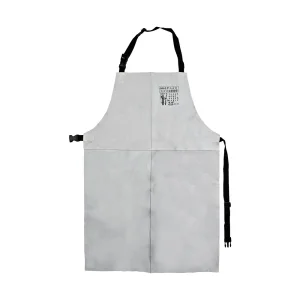
Direct OEM production line offerings including insulated hot-work trousers, split cowhide welding aprons, and full-spectrum protective solutions.
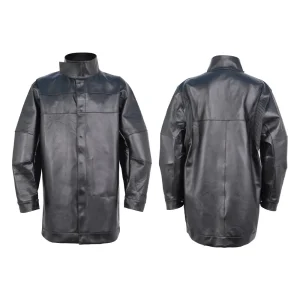
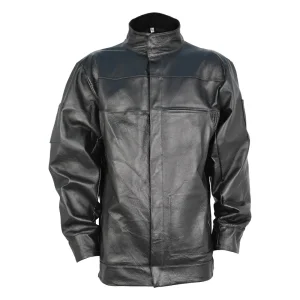
A rigorous industrial perspective on the surging demand for multi-norm insulated flame-resistant pants across critical extraction, infrastructure, and heavy metallurgy sectors.
Global arctic and sub-zero energy projects have escalated the requirement for specialized FR protective workwear. Traditional flame-resistant shell garments fail in conditions reaching -40°C where metabolic cooling causes vascular constriction and impairs operator judgment. Ming Shun engineers custom insulated FR pants specifically to bridge the lethal gap between intense external ignition hazards and extreme sub-ambient temperatures.
Modern compliance requires convergence across multiple frameworks. Regulators such as OSHA in North America and EU Notified Bodies insist that lower-body safety gear provide unified performance: dual EN ISO 11611 (welding splatters) and NFPA 70E / ASTM F1506 (arc blast attenuation) certification, ensuring that the insulating layer does not compromise intrinsic anti-static or self-extinguishing capabilities.
Modern EPC contractors and corporate supply networks have abandoned generic intermediaries. Dealing directly with a primary vertical manufacturer like Ming Shun—controlling raw hide selection, specialized tanning, flame-retardant dyeing, and precision stitching—eliminates material adulteration risks and secures unbroken chain-of-custody documentation for international procurement teams.
Examining the composite layer configuration of Ming Shun's insulated FR workwear systems designed to resist thermal conduction, arc flashes, and direct liquid metal splash.
Direct kinetic shield against molten iron slag, high-amperage welding spatters, and rough abrasion. High-grade chrome-tanned split cowhide is integrated into the shin, knee, and thigh strike zones, while inherently flame-retardant modified modacrylic/cotton matrix weaves provide breathability and flexibility over non-contact fields.
Prevents water and hydrocarbon penetration while permitting cutaneous perspiration vapors to escape. Waterlogged insulating batting loses up to 90% of its thermal efficiency and poses severe steam burn hazards during sudden flash fires; this barrier safeguards core loft insulation integrity.
Provides critical clo-value ratings (up to 3.8 Clo) utilizing trapped inert air pockets without adding excessive dead weight. Fibers remain stable across a vast thermal envelope, exhibiting zero melting, dripping, or off-gas ignition characteristics when subjected to temperatures up to 400°C.
Silky, low-friction aramid/viscose lining enabling effortless movement over secondary undergarments. Woven with continuous carbon filaments to dissipate triboelectric charges in volatile combustible atmosphere zones (ATEX environments).
Custom insulated FR pants manufactured by Ming Shun are engineered to meet the operational stresses of five primary heavy-industry work environments.
Sub-zero crude handling and methane extraction across Northern Alberta, the North Sea, and Siberian basins demand extreme flash-fire resistance (NFPA 2112) paired with active thermal insulation. Technicians maneuvering around pressurized hydrocarbons face wind-chill conditions below -45°C where standard single-layer FR pants stiffen and induce hypothermia.
Linemen servicing grid interties, transformers, and switchyards during winter blizzards face dual lethal hazards: high-incident arc flash bursts (Category 3 and 4, NFPA 70E) and severe cold stress. Our insulated FR pants are assembled with non-conductive, dielectric aramid threads and shielded heavy-duty non-metallic zips to eliminate electric discharge transfer risks.
Workers operating in open casting bays, basic oxygen furnaces, and continuous casting plants navigate molten ferrous and non-ferrous splatter while working in ambient winter unheated bays. Reinforced with genuine split cowhide leather on lower extremities, our pants prevent molten slag entrapment and mechanical burn-through.
Shipyard dry docks and cross-country overland pipeline fabrication subject welders to prolonged kneeling on frozen steel beams, mud, and slag piles. Ming Shun integrates removable ergonomic closed-cell FR knee pads and waterproof gussets into custom pant configurations, eliminating direct conductive heat loss to ground substrates.
Underground extraction shafts feature high humidity, cold ventilation airflows, mechanical abrasion against rock faces, and methane gas flammability hazards. Insulated FR pants with reinforced seam geometries and 3M Scotchlite FR reflective trim provide critical 360-degree visibility and physical durability in constricted worksites.
Operating a vertically integrated industrial plant in Gaozhou, Guangdong with over 1,000 skilled employees, Ming Shun maintains absolute control across all production stages.
Custom development begins with your comprehensive technical pack or sample garment. Our pattern engineering department digitizes panel dimensions, stress points, gussets, and customized pockets using computerized CAD grading.
Unlike factories reliant on commercial stock lots, Ming Shun performs raw hide grading, chrome leather retanning, and in-house pigment dyeing. This secures uniform color, tensile tear strength, and chemical safety lot after lot.
Precision automated blade systems cut leather strikes and multi-ply insulation without thermal distortion. Components are stitched on specialized heavy-gauge sewing lines using multi-strand Kevlar/Nomex aramid threads.
From yarn density verification to vertical flame burn tests and hydrostatic head evaluation, every lot undergoes rigorous internal auditing before custom retail labeling, barcoding, and containerized dispatch.
Critical considerations regarding standards, material selection, MOQ, and industrial certifications for custom insulated FR pants.
We employ mechanically locked, non-woven aramid and modacrylic matrix batting engineered specifically for industrial laundries. Unlike resin-bonded batting that disintegrates upon exposure to alkalis and hot water, our materials preserve loft, clo ratings, and dimensional stability through 50+ commercial wash cycles at 60°C.
Inherently FR fibers (such as Nomex, Kevlar, and modacrylic) contain fire resistance in their cellular chemical structure; their protective capacity cannot wash out or wear away. Treated cotton relies on a durable chemical finish that modifies cellulose fibers. For cost efficiency with premium spark protection, hybrid blends combining treated outer shells with inherent thermal linings provide the optimal economic and safety balance.
Yes. We specialize in tailored pattern modifications for North American, European, and Australasian body measurements. This includes accommodating articulated knees, gusseted crotches for unhindered climbing, adjustable elasticated bibs, and heavy-duty leg side zippers allowing operators to don pants over massive cold-weather work boots without struggle.
Every delivery includes model-specific test reports detailing compliance with applicable safety codes (e.g., EN ISO 11611, EN ISO 11612, NFPA 2112, ASTM F1506, and EN 342 cold hazards). Certified independent test lab reports (such as SATRA, SGS, or BTTG) are coordinated alongside our internal factory Certificate of Conformance (CoC).
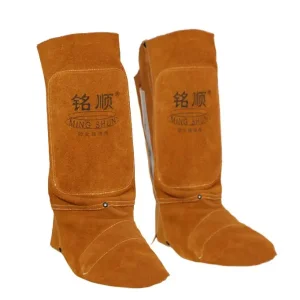
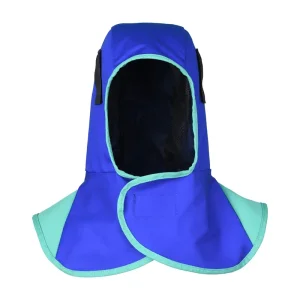
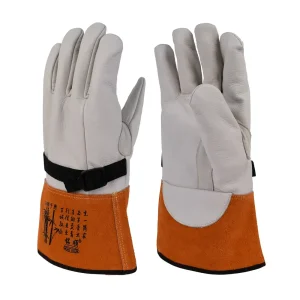
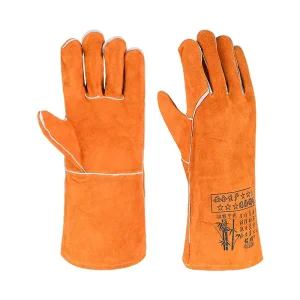
Integrate our specialty cold-work and hot-work safety components with custom insulated FR garments for complete end-to-end protective configurations.