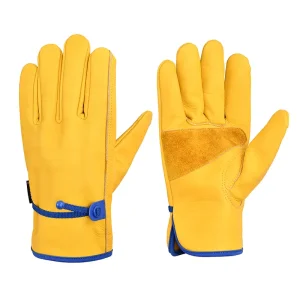
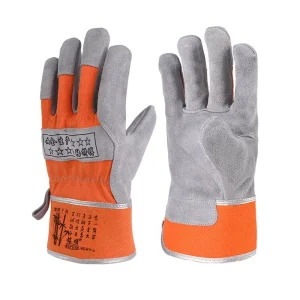
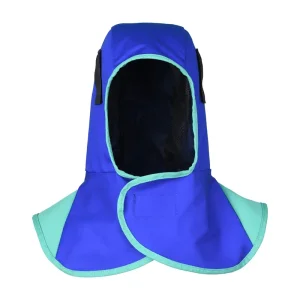
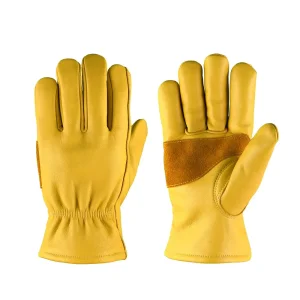
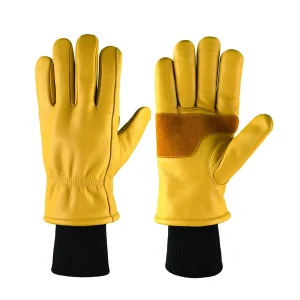
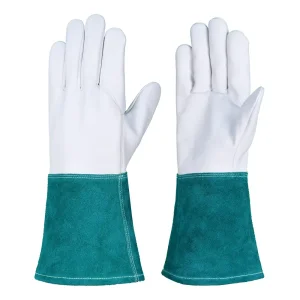
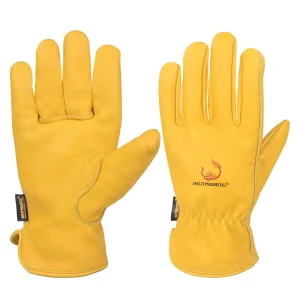
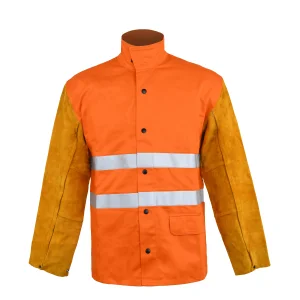
Factory-direct industrial garments, heavy-duty covers, and protective gear engineered for extreme spatter resistance, foundry heat, and high-amperage environments.
Global supply chain directors across heavy metallurgy, aerospace, glass foundries, and mega-scale engineering face rigorous thermal injury mitigation metrics. Aluminized hand PPE operates as the primary safeguard where ambient and convective thresholds fail.
Standard heavy leather gloves absorb radiant energy, transferring dangerous thermal loads directly to the skin within seconds. Aluminized back shells reflect up to 95% of radiant heat up to 3000°F (1650°C), establishing a secure barrier for furnace operators.
Smooth optical-grade vapor-deposited aluminum surfaces prevent molten metal adhesion. Hot splashes roll off instantly, preserving shell integrity and mitigating catastrophically accelerated contact burns in steel mill tap runs.
By engineering composite shells—combining Kevlar® or carbon-fiber substrates with premium grain leather palms—wear cycles extend 3x to 5x compared to standard split cowhide, dramatically reducing replacement frequencies.
Every factory floor faces a distinct equilibrium between ambient radiant heat, direct conduction hazards, physical abrasion, and operator dexterity. We deploy specialized composites configured for precise industry stress profiles.
Featuring aluminized Rayon or Kevlar® backs paired with 1.4mm chrome-tanned split cowhide palms. Incorporates internal wool and felt layers to tolerate sustained 1000°F contact thresholds during crucible casting.
Demands zero surface contamination and extreme ambient resistance. Built with aluminized para-aramid backs and specialized non-marring carbon/fiberglass composite palms for hot gather handling.
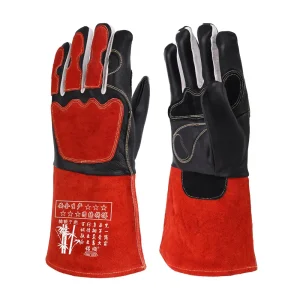
For sub-arc, continuous pipe welding, and high-duty MIG setups. Hybrid aluminized back-hand shields deflect intense electric arc radiation without compromising the tactile grip of goatskin or split cowhide palms.
Engineered for ceramic, cement clinker, and heat-treating furnaces. Extra-long 18" aluminized gauntlet cuffs overlap protective coats, sealing wrist and forearm zones against radiant entrapment.
True structural safety depends on thermal stratification. Our OEM production lines bond multiple functional layers to maximize radiant deflection while decelerating conductive progression.
Pure aerospace-grade aluminum vacuum-deposited on high-tensile substrates (Kevlar®, Rayon, or pre-oxidized acrylic). Resists delamination and cracking even when subjected to 180° flexural fatigue.
Needle-punched non-woven aramid blends or continuous filament glass insulation. Traps dead air within microscopic voids, acting as a non-conductive deceleration barrier for interior thermal dampening.
100% flame-retardant (FR) treated cotton, moisture-wicking wool, or breathable fleece liners. Absorbs perspiration while shielding human skin from heat transfer and moisture accumulation.
As safety mandates intensify across North America (OSHA/NFPA) and the European Union (CE EN407/EN388), relying on trading intermediaries exposes brands to compliance liability. Direct manufacturer partnerships eliminate risk.
Headquartered in Pukang Industrial Park, Gaozhou, we run proprietary leather processing, grading, splitting, and dyeing facilities. We strictly govern hide consistency, chrome retention, tensile strength, and pH levels before cutting.
High-temperature safety PPE cannot rely solely on automated stitch lines. Critical stress junctions require skilled hand assembly with high-tensile Kevlar® aramid thread, leather welting, and reinforced thumb-crotch anchors.
Every shipment batch undergoes documented QA inspection: seam pull strength tests, flame propagation checks, peel resistance verification of the aluminized film, and thorough dimensional consistency evaluations.
We support international private-label brands and tier-one safety importers in securing verified certification dossiers compliant with regional regulatory requirements.
Classified under EN 407:2020: Limited flame spread, contact heat (up to 500°C Level 4), convective heat, radiant heat (Level 4 reflection index), and splashes of molten metal.
Tested for abrasion resistance, blade cut resistance, tear strength, and puncture resistance to ensure hand safety during physical handling of sharp furnace scrap.
Precision calibration of conductive heat resistance levels (Levels 1-5) and puncture metrics to meet American industrial standards and OSHA compliance audits.
Factory management adheres to audited quality assurance workflows. Includes comprehensive raw material traceability records, in-line inspections, and retention samples for every batch.
Engineering, compliance, and minimum order specifics for technical procurement managers, safety engineers, and commercial distributors.
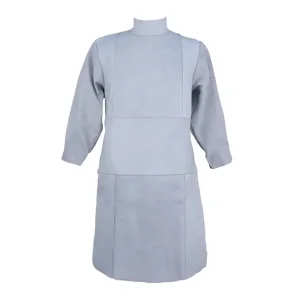
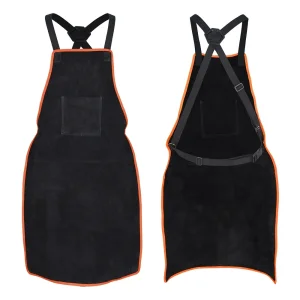
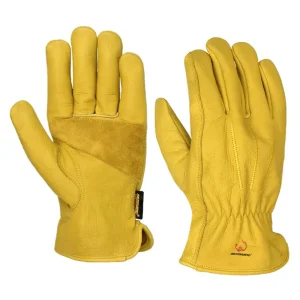
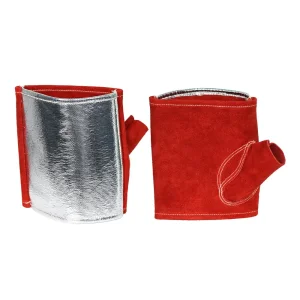
Explore our precision-crafted split leather work aprons, winter-insulated safety wear, heat-shield glove savers, and high-dexterity hand PPE.
Consult directly with our PPE engineers in Gaozhou. We turn your tech packs, sample references, and thermal performance targets into certified production lines with reliable lead times.