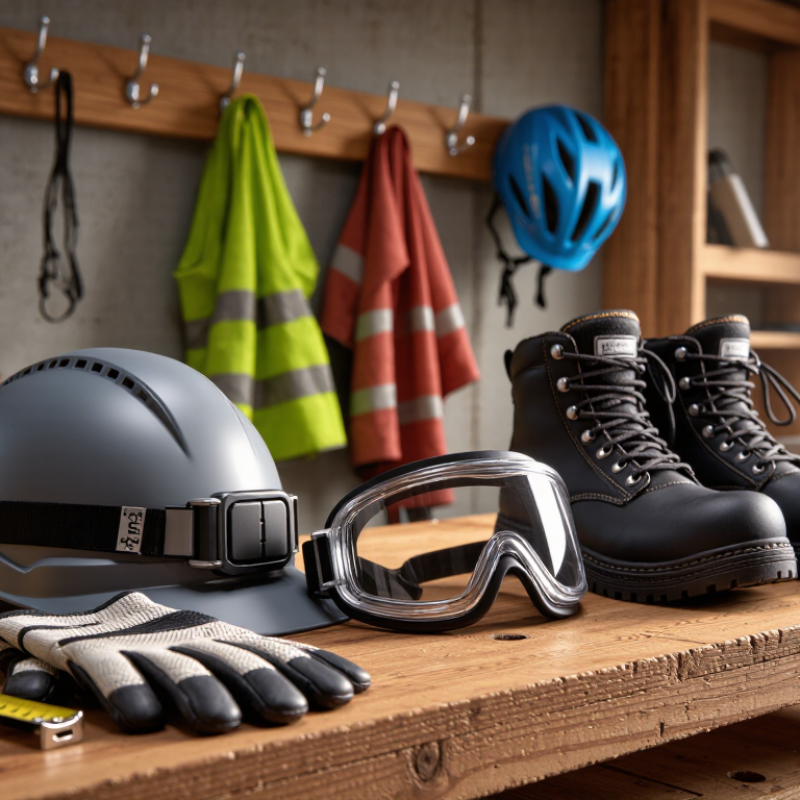
Choosing Protective Gear in 2026 starts with a simple question: what risks do you actually face? The best choice for a workshop may be unsuitable for cycling, construction, or home repairs. A helmet should sit level and stay secure when you move. Gloves should protect your hands without making tools harder to grip. Fit matters. Even high-quality equipment can fail to help if it is uncomfortable, poorly maintained, or wrong for the task.
This guide looks at practical features that matter when comparing protective equipment, including fit, coverage, materials, comfort, and care. It also explains how to check product labels and manufacturer guidance, rather than relying on bold claims or star ratings alone. Product availability and safety requirements can vary by region, so verify that gear suits your intended use and local guidance. A sensible shortlist is useful, but no checklist is perfect. Personal needs, body shape, working conditions, and replacement costs all deserve attention. Some recommendations may not suit everyone; that is worth saying plainly. The aim is not to buy the most expensive kit, but to choose dependable protection you can wear correctly and consistently. Before buying, check the sizing, inspect the stitching or shell, and consider how the gear feels after several minutes of movement. Those small checks can reveal more than polished product photos.
Protective gear is equipment worn to reduce contact with specific hazards. It may protect the head from falling objects, eyes from flying chips, or ears from damaging noise. Gloves can limit cuts, heat exposure, or chemical contact, depending on their design. Fit matters. A loose respirator, for example, may let dusty air pass around its edges. Gear reduces risk; it does not make a hazardous task safe by itself.
Choose protection by identifying what could cause harm, how exposure happens, and how long the task lasts. Safety glasses with side coverage help against particles from several directions, while a face shield may add protection from splashes. Neither replaces appropriate eye protection. Dust is not harmless. Respirators need to suit the airborne hazard and fit the wearer; a cloth covering is not a universal substitute. Boots, hearing protection, and high-visibility clothing address different risks, not one another.
Check the product’s hazard rating, care instructions, and compatibility with other equipment. A thicker glove can feel reassuring, yet reduce grip or finger control; that trade-off is easy to overlook. Replace cracked lenses, worn straps, or damaged seals. Even good gear can fail when it is poorly maintained, incorrectly sized, or used beyond its intended purpose. When a hazard is unclear, ask a qualified safety professional rather than guessing.
What Is the Best Protective Gear to Buy in 2026?
The best gear depends on the hazard, not the product category. List what could happen during your actual task: flying chips, sharp edges, loud machinery, dust, or a slippery floor. Note how often exposure occurs and how severe an injury could be. A brief task can still create a serious risk. Check the work area, tools, materials, and weather; a garage repair and an outdoor job may need different protection. Risk lists are imperfect. Revisit them when tasks or conditions change.
Tips: Match gear to the specific hazard. Check its instructions and relevant safety standards. Try it on before relying on it.
Fit matters. Eye protection that slips when you look down may leave a gap. Gloves that are too bulky can make small parts harder to handle. Test movement, visibility, hearing, and comfort together, since items worn at the same time can interfere with one another. Inspect gear for cracks, worn straps, or damaged seals, and replace it when the maker’s guidance says to. Protective equipment is only one layer; safer tools, barriers, and better work practices can reduce exposure too. It is easy to overlook a familiar hazard, so ask someone knowledgeable to review your assessment when the consequences could be severe.
Hearing protection is one example of risk-based PPE selection. This chart compares OSHA permissible noise exposure limits with the more protective NIOSH recommended exposure limits. Higher sound levels require shorter exposure times.
At an 8-hour time-weighted average of 85 dBA, OSHA requires a hearing conservation program; NIOSH recommends limiting exposure to 85 dBA. Select properly fitted hearing protection based on measured noise levels, exposure duration, and workplace requirements. These values are exposure benchmarks, not ratings of protective equipment.
Protective gear should match the hazard, not just the activity’s name. For cycling, choose a properly certified helmet that sits level and does not rock when you move your head. Add bright clothing and lights for low-visibility rides. Fit matters more than appearance. A helmet that pinches may end up loose.
In a workshop, safety glasses with side coverage help block flying chips, while hearing protection suits loud tools. Use a respirator only when its filter matches the dust or fumes, and follow the tool and filter instructions. Gloves are useful for many handling tasks, but they can catch in rotating machinery. That trade-off is easy to overlook. Keep sleeves and loose straps clear, too.
Hiking calls for sturdy footwear, weather-appropriate layers, and a headlamp when daylight may run short. For skating or similar wheeled sports, a certified helmet, wrist guards, and knee and elbow pads can reduce common impact injuries. Contact sports need equipment designed for their specific impacts, fitted and maintained as directed. Check for cracks, worn straps, or compressed padding before use; damaged gear may not protect as intended. No setup removes every risk, and choosing gear can take a little trial and adjustment.
What Is the Best Protective Gear to Buy in 2026?
How to Compare Safety Standards, Fit, and Materials
The best gear starts with the hazard, not the price tag. In 2023, private-industry employers reported 2.6 million nonfatal workplace injuries and illnesses, according to the U.S. Bureau of Labor Statistics’ Employer-Reported Workplace Injuries and Illnesses report. Check the marking against the task: ANSI/ISEA 107 covers high-visibility apparel, ANSI/ISEA Z87.1 covers eye protection, and ASTM F2413 covers protective footwear. Verify the applicable edition and hazard rating before buying.
Fit matters. A hard hat should sit level, with its suspension adjusted so it stays put when you look down. Safety glasses should not leave obvious gaps at the temples. Gloves need enough fingertip control to grip a small fastener; a loose fit can create its own hazard. For respirators, confirm NIOSH approval and follow workplace fit-testing requirements. Small details count.
Materials affect comfort and performance, but labels matter more than a material name alone. Polycarbonate lenses can be impact-rated; cut-resistant fibers vary by tested level. Choose footwear and gloves for the specific exposure, and inspect seams, closures, and worn areas. Here’s the trade-off: heavier protection may feel reassuring, yet heat and restricted movement can make gear harder to wear consistently. A checklist helps, but it can miss how a sleeve catches on a tool handle. Try the equipment during realistic movements, not just while standing still.
| Gear Type | Standards to Check | What the Standard Helps You Verify | Fit and Comfort Checks | Materials and Buying Considerations |
|---|---|---|---|---|
| Hard hats and safety helmets | ANSI/ISEA Z89.1 or EN 397, as applicable to the workplace and jurisdiction. | Look for the standard and the applicable type or class marking. Under ANSI/ISEA Z89.1, Class G and Class E have specified electrical-insulation test ratings; Class C does not provide electrical protection. These test ratings are not safe working voltages. | Adjust the suspension so the helmet sits level and stays secure without pressure points. Check that the suspension is compatible with the shell and that accessories do not interfere with protection. | Common shells include high-density polyethylene and other engineered plastics. Choose for the impact, temperature, electrical, and accessory hazards identified in the risk assessment. Inspect regularly and replace damaged or expired components according to the manufacturer’s instructions. |
| Safety glasses and goggles | ANSI/ISEA Z87.1 or the applicable local eye-protection standard. | Check the product markings and documentation for the protection type needed, such as impact protection, splash protection, or protection from optical radiation. A basic lens tint does not establish impact or optical-radiation protection. | Frames should stay in place during movement and provide coverage from the relevant directions. Goggles should seal appropriately without painful pressure; check compatibility with prescription eyewear and other PPE. | Polycarbonate lenses are commonly used for impact protection; other lens materials may suit particular applications. Select clear, tinted, or task-specific lenses based on lighting and exposure, and replace scratched or damaged lenses. |
| Hearing protectors | In the United States, check the product’s labeled Noise Reduction Rating (NRR) and applicable regulatory labeling. Follow workplace exposure-assessment requirements. | The NRR is a laboratory rating, not a guarantee of the reduction an individual will receive. Actual protection depends strongly on correct fit and consistent use. | Earplugs must be inserted as directed and form an effective seal. Earmuffs should fully cover the ears; glasses, hard hats, hair, and other PPE can interfere with the seal. Consider individual fit testing where available. | Common options include foam or reusable elastomeric plugs and cushioned earmuffs. Choose a type workers can wear correctly for the full exposure period; keep reusable products clean and replace worn cushions or plugs. |
| Respirators | For U.S. workplaces, verify NIOSH approval and select the respirator for the specific airborne hazard. Follow applicable occupational regulations. | An N95 filtering facepiece is tested to filter at least 95% of certain airborne particles under specified test conditions. It does not protect against gases or vapors. A suitable respirator must be selected for the hazard and exposure. | Tight-fitting respirators require appropriate fit testing where required and a user seal check each time they are put on. Facial hair at the sealing surface can prevent a reliable seal. Consider comfort, size, and compatibility with other PPE. | Filtering facepieces, elastomeric respirators, and powered air-purifying respirators serve different needs. Filter or cartridge type must match the contaminant; follow change schedules, cleaning instructions, and program requirements. |
| Protective gloves | ANSI/ISEA 105 for relevant U.S. hand-protection performance ratings; EN 388 for mechanical risks in applicable markets. Check chemical-resistance data for chemical tasks. | Ratings can describe specific test performance, such as abrasion, puncture, or cut resistance. No single glove protects against every mechanical, chemical, thermal, or biological hazard. | Gloves should allow a secure grip and the hand movements required for the task. Check fingertip length, cuff coverage, and whether the glove remains manageable when wet or used with tools. | Common materials include leather, coated or uncoated textiles, nitrile, neoprene, and other polymers. For chemicals, select using compatibility and breakthrough-time data for the exact substance and conditions; do not rely on material name alone. |
| Protective footwear | ASTM F2413 in the United States or the applicable regional footwear standard. Confirm the current edition and required protective markings. | Requirements and markings can address hazards such as impact, compression, puncture, or electrical hazards. Confirm that the footwear’s specific markings match the workplace assessment. | Try footwear with the socks used at work. Check toe clearance, heel hold, width, arch comfort, and stability while walking. Fit should remain comfortable throughout a typical shift. | Leather, synthetic uppers, rubber, and polyurethane are common materials. Match sole traction, puncture protection, and resistance to oils, heat, or chemicals to the actual conditions; no sole is suitable for every surface. |
| High-visibility apparel | ANSI/ISEA 107 in the United States or the applicable regional high-visibility clothing standard. Check the current edition and required garment class. | Classification is selected according to factors such as work activity, traffic speed, and visibility conditions. The garment’s reflective and background materials must meet the applicable requirements for its class. | Choose a size that allows the required coverage without restricting movement. Make sure reflective elements remain visible when worn with other PPE and are not hidden by tools, bags, or outer layers. | Garments commonly combine fluorescent background fabric with retroreflective material. Select colors and garment configuration for the environment, and replace items when fading, contamination, damage, or laundering reduces visibility. |
Selection note: Choose protective gear from a documented workplace hazard assessment, not by price or a general “safety” label alone. Standards and editions vary by jurisdiction and may change; verify current requirements, product markings, care instructions, and compatibility before purchase. PPE does not replace hazard elimination or other required controls.
What Is the Best Protective Gear to Buy in 2026?
How to Choose Protective Gear for Your Needs in 2026
Choosing protective gear in 2026 starts with the hazard, not the shopping category. A workshop task may call for impact-rated eye protection, hearing protection, and cut-resistant gloves. Dusty cleanup may require a properly fitted respirator, not a cloth face covering. Check product labels and instructions for the specific hazard and intended use. Fit matters.
Try gear with the clothing and tools you will actually use. Check that a respirator seals properly each time you put it on, with straps flat and no gaps. Gloves should let you grip a wet handle without bunching at the fingertips. A helmet should stay secure when you look down. If equipment fogs, slips, pinches, or blocks communication, you may stop wearing it. Small details matter.
Look for clear ratings, sizing guidance, care instructions, and replacement advice. Inspect seams, lenses, straps, and closures before use; replace items that are cracked, torn, or no longer fit. When hazards are unclear, ask a qualified safety professional. Price alone is a poor guide, but an expensive item can still fit badly. There is no perfect kit for every task. Test your selection in a safe setting, then reassess after regular use. Comfort helps, but it does not prove protection.
Identify the hazards, how exposure happens, and how long the task lasts. Check the work area, tools, and materials. Conditions can change.
No. Glasses with side coverage help block flying particles. A face shield can add splash protection, but it does not replace suitable eye protection.
Match its filter to the specific dust or fumes, and follow the instructions. Check the fit carefully. Gaps can let dusty air through.
Not always. A thicker glove may reduce grip and finger control. Choose gloves for the hazard, then test them with the task.
Look for cracked lenses, worn straps, damaged seals, or compressed padding. Check the care instructions, hazard rating, and fit. Small defects matter.
Wear a properly certified helmet that sits level and does not rock. Bright clothing and lights can help others see you. Fit matters more than appearance.
Safety glasses can help block flying chips, and hearing protection suits loud tools. Use a respirator only with a suitable filter. Keep gloves and loose clothing clear of rotating machinery.
No. It reduces exposure but cannot remove every risk. Safer tools, barriers, and work practices add protection. It is easy to miss a familiar hazard, so ask a qualified safety professional when unsure.
Choosing the best Protective Gear in 2026 starts with understanding what it is designed to do: reduce exposure to hazards such as impact, cuts, heat, noise, dust, or slips. Before buying, consider the specific activity, the environment, how often the gear will be used, and the risks involved. The right protection for a workshop, outdoor task, or sport can differ significantly, so identify the hazards first rather than relying on a one-size-fits-all solution.
Compare gear intended for your activity by checking relevant safety standards, material durability, and fit. Protective equipment should feel secure and comfortable without restricting necessary movement or vision. Look for clear care instructions and inspect items regularly for damage or wear. In 2026, a thoughtful choice balances the level of protection needed with comfort, practical use, and a suitable budget, helping you select gear that you are more likely to wear correctly and consistently.